Equality cemetery highlighted in new book
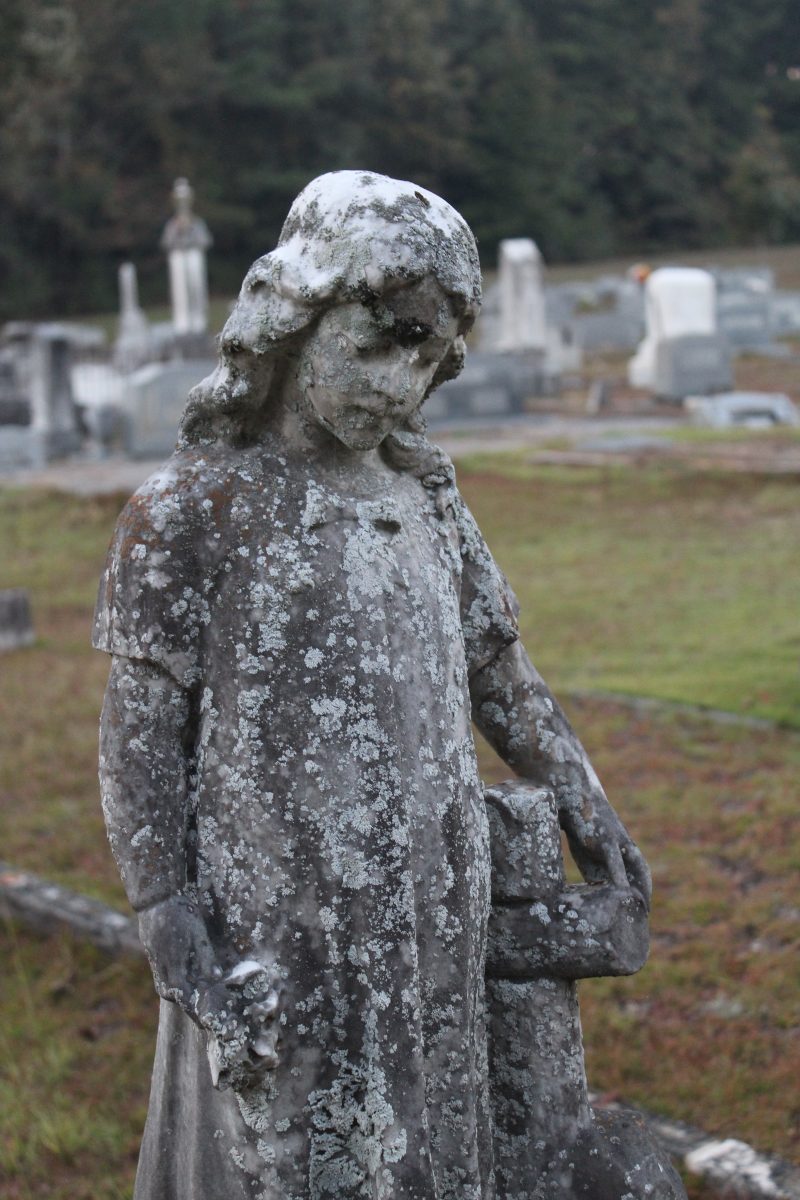
A statue at the burial site of young Nellie Bly Law is one monument featured in a vignette in a new book published earlier this year. Photo by Christa Jennings
By Christa Jennings
Senior Staff Writer
While an entombed veteran was recently honored at Equality’s Pine Grove Cemetery, another Equality cemetery is now being recognized.
Mollie Smith Waters’s state cemetery book, “Historic Resting Places of Alabama: Cemeteries and Graveyards Around the State,” was released earlier this year. The book not only features cemeteries and graveyards throughout the state, but Waters made it a point to include at least once cemetery from each county in the state.
In working on the book, Waters strove to represent each county with at least one cemetery that has something unique to teach its visitors.
For Coosa County, that chosen cemetery is the Equality Methodist Church Cemetery. In total, four individuals buried at the cemetery are highlighted in the county’s short feature in the book.
Sometimes called simply Equality Cemetery, the Equality Methodist Church Cemetery consists of many “lovely monuments,” according to Waters, including a possible figural on Nellie Bly Law’s grave.
In the book, Waters shares that Nellie; who was born on July 31, 1902; was likely named after journalist and adventurer Nellie Bly, who lived from 1864 to 1922.
While Waters notes that Nellie’s parents probably had high hopes for their daughter, sadly she passed away at just 11 years old, on May 13, 1914. The statue where she is buried depicts a young girl holding a bouquet of flowers in one hand and clinging to a cross with the other.
Her tombstone reads, “Budded on earth to bloom in Heaven.”
Waters further noted four other interesting burial sites in the book’s entry for Coosa County. Also interred there are members of the Murrah family.
According to his grave marker, Charles Felder “C.F.” Murrah was born on May 22, 1861, and passed away on October 10, 1913. Among the adornments on his marker are the traditional Masonic compass and ruler.
However, what makes his burial site most interesting are those buried next to him. Murrah was married three times, and all three wives are buried next to him in the family plot.
Additionally, all three are buried to what would be Murrah’s left side, and not in chronological order as most might expect.
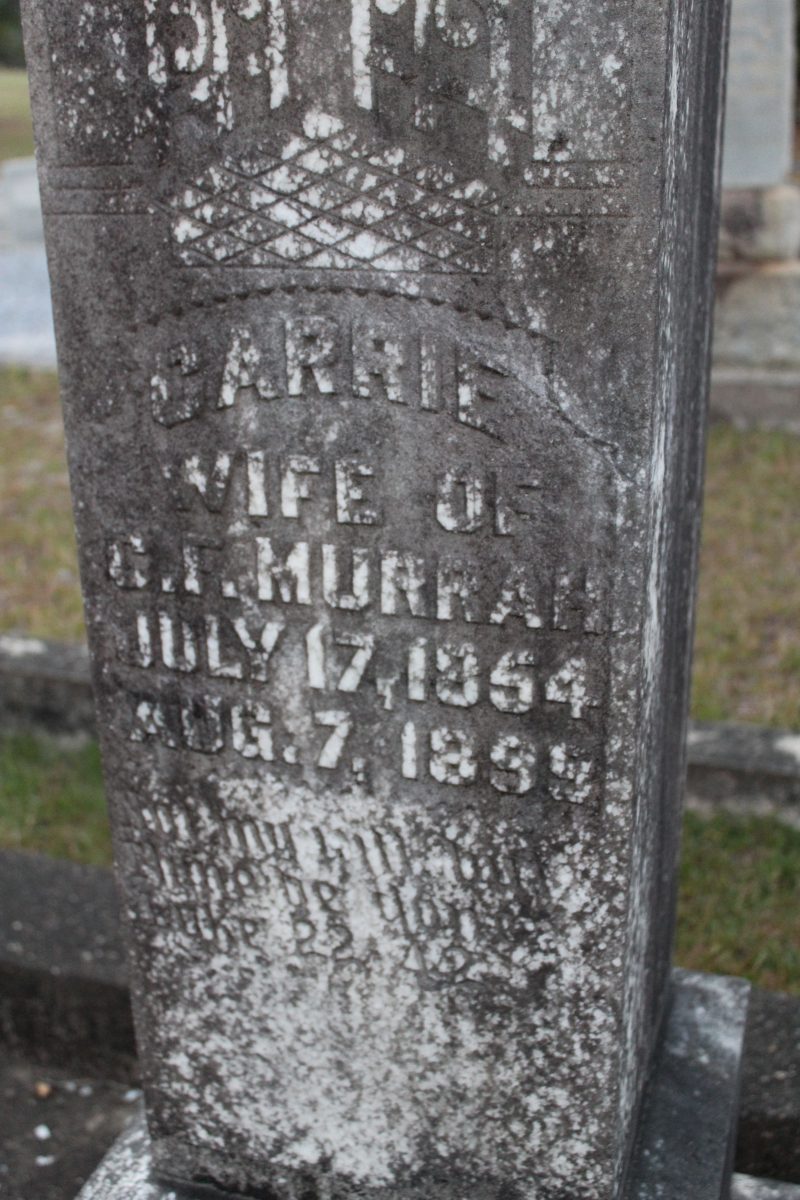
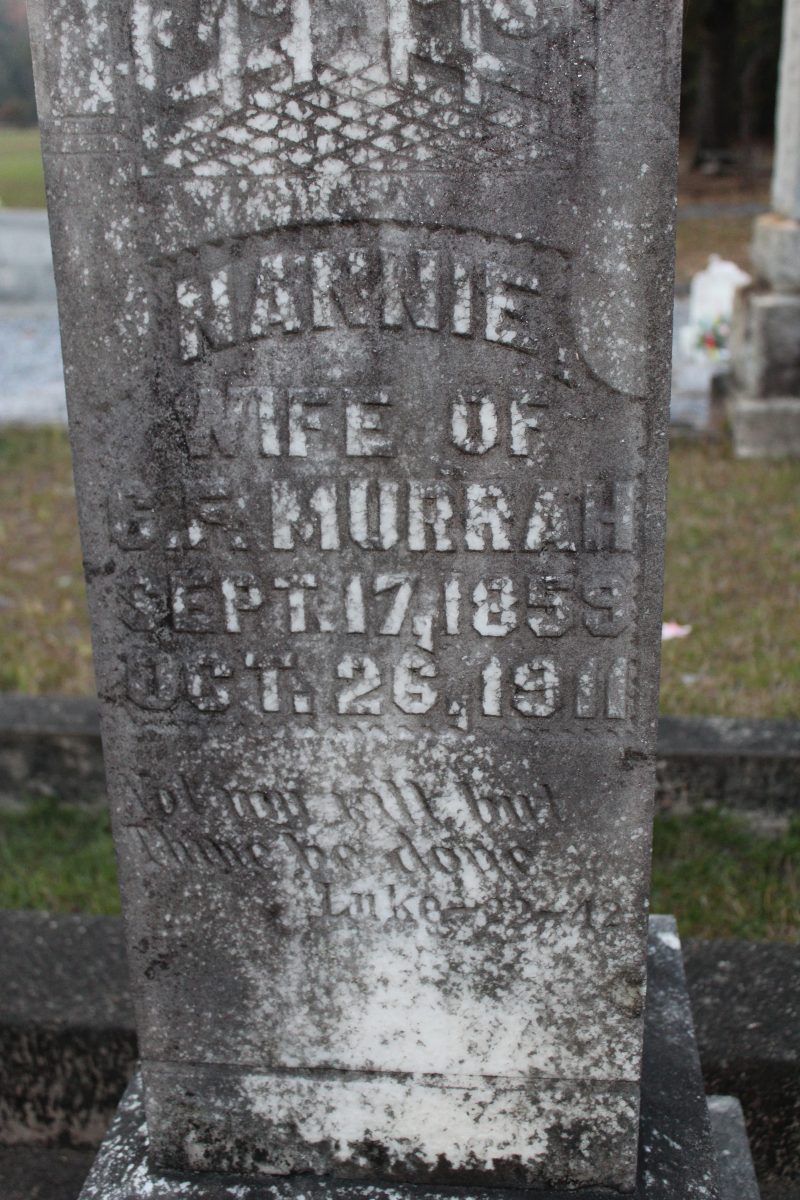
Buried directly next to Murrah is his second wife, Nannie Murrah, who lived from 1859 to 1911. Next to her is Murrah’s first wife, Carrie Murrah, who lived from 1854 to 1899.
Finally, at the end of the row lies his third and final wife, Maggie I. Murrah, who lived only from 1883 to 1913 and died just a few months before her 52-year-old husband at the age of 29.
Waters’s book accounts the story of Murrah’s death and notes that he may have been murdered, although she explains that suicide was also not ruled out. However, she says that speculation was that he was murdered, possibly for money.
Mr. Murrah’s death notice stated that he only had one child living, which was an infant daughter born to his third wife.
All three wives’ monuments are similar obelisks with all three markers noting they were the wives of C.F. Murrah. The first two even have the same epitaph, reading, “Not my will, but thine be done. Luke 22:42.”
Meanwhile, Maggie Murrah’s epitaph instead paraphrases Luke 8:52, “She is not dead, but sleeping.”
While there appears to be space for up to two additional plots on the other side of C.F. Murrah, that area of the family plot seems to be unoccupied with no markers. The entire plot is also covered in concrete worn with age.
While Waters’s book includes this passage about one Coosa County cemetery, the book overall highlights 75 cemeteries throughout the state. Additionally, it explores different funerary symbols, unusual architecture, interesting history, and moving stories about “the final resting places of Alabama’s denizens.”
In an announcement regarding Waters’s book, Reedy Press stated, “Alabama is full of old cemeteries, and while they are places to pay respect for the departed, they are also repositories of the beauty and history that capture the story of the state’s rich and diverse culture.”
Other highlights in the book include a great horror writer of the 1950s resting eternally in Tuscaloosa’s Greenwood Cemetery, the first female Pulitzer Prize Editorial Writing winner being buried in Forrest Cemetery in Etowah County, the creator of the Alabama Indestructible Doll being buried in Randolph County, and a survivor of “the worst maritime tragedy in American history” resting eternally in the 1883 Methodist Church Cemetery in Marshall County.
Regarding Waters’s process for how she decided which cemeteries to include in her book, she said that she wanted the book to represent the entire state because she wanted there to be “something for everyone.” That’s why it was important to her to include a cemetery from each county.
She added that she also did not want to use any of the cemeteries that had already been featured in “Alabama Cemeteries” by Donna J. Booth.
“I wanted to include cemeteries that had interesting symbols, architecture, or historical connections through the people buried in them,” Waters said. “Most county seats have a public cemetery, so I started my research with those, but then I also looked at cemeteries associated with churches. I tried very hard not to include any that were on private property.”
She explained that Alabama does have codes about visiting cemeteries on private land, but that she wanted the cemeteries featured in the book to be easily accessible. With private cemeteries individuals would need to get permission before they could enter the private property and would require contact with the landowner about scheduling times to visit.
Waters added, “Those were my starting points for selection, but then I started taking road trips to photograph the ones on my list, and I would drive past another one that I wanted to learn more about. That happened several times. I also got recommendations from people when I would stop for lunch in a town or visit a convenience store for gas. The local recommendations were extremely helpful.”
As far as something that surprised her most about writing the book, Waters shared that even though she had done a great deal of research before visiting any of the included cemeteries, she would still discover something unexpected.
“For example, I went to Courtland Cemetery in Lawrence County because of some lovely statuary and symbols associated with one family,” she said. “However, while I was walking around the cemetery, I discovered a story connected to the Texas Revolution. I was not expecting that, and it may be one of my favorite things I learned during this process. I really loved the field research part of this endeavor.”
During the process of writing and compiling the book, Waters said that she put more than 30,000 miles on her vehicle and took more than 12,000 photos. However, she enjoyed the adventures and stories along the way throughout the endeavor.
Regarding what the most difficult part of the experience was, Waters said it was keeping each cemetery’s feature to a shorter length.
“Each vignette was limited to 375-400 words, and sometimes it was extremely hard not to include some of the information I wanted,” she said. “Then, because some of the entries were selected for full pictures, I had to cut additional information from the vignette. That was really difficult because I was so invested in what I had discovered. I wanted more, but the good news is that maybe that means there will be a volume two. I honestly have enough material I could write several books about cemeteries in Alabama.”
However, will Waters write another book?
“I keep getting asked this question, and depending on the day I am asked determines the answer, but yes, I think I will,” she said. “There is just so much history in our cemeteries. The people in them were wonderful, amazing and inspiring. Their stories need to be shared.”
“Historic Resting Places of Alabama,” a 192-page softcover book, is available wherever books are sold.
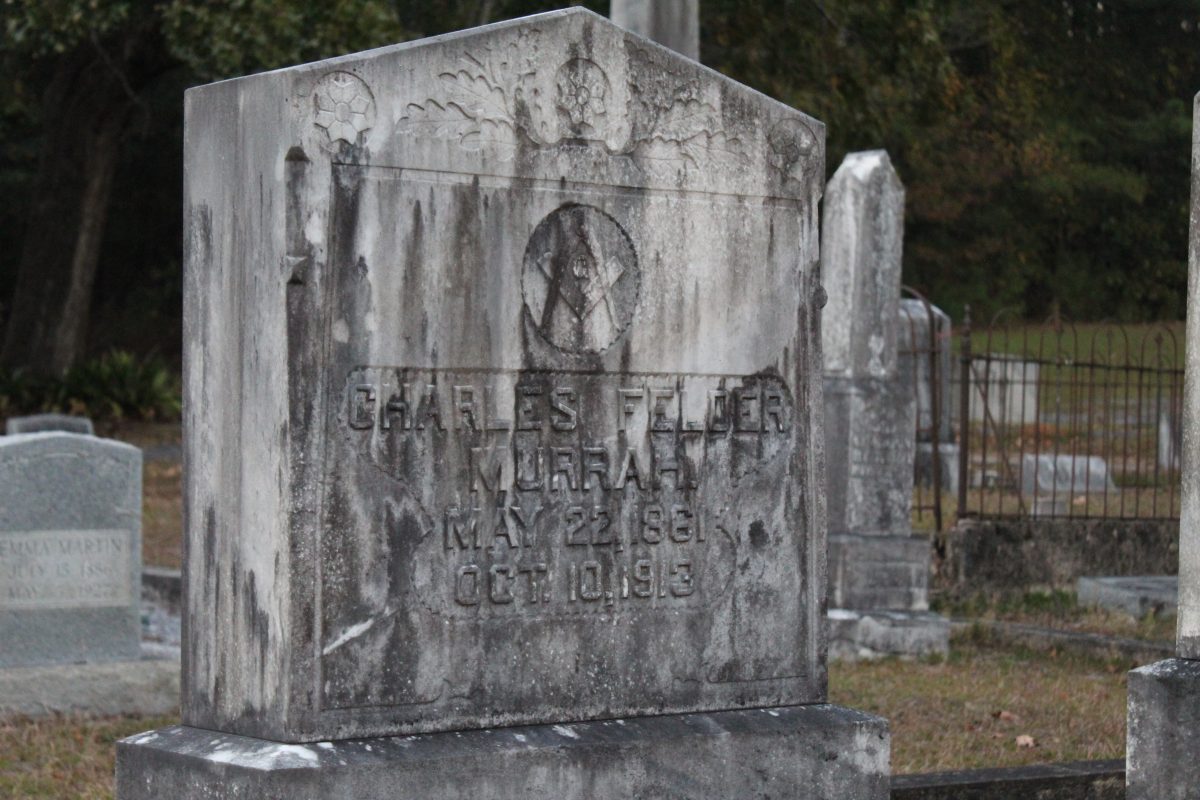
Charles Felder “C.F.” Murrah and his three wives, all buried next to him, are highlighted in “Historic Resting Places of Alabama,” a new book about cemeteries throughout Alabama. Photo by Christa Jennings
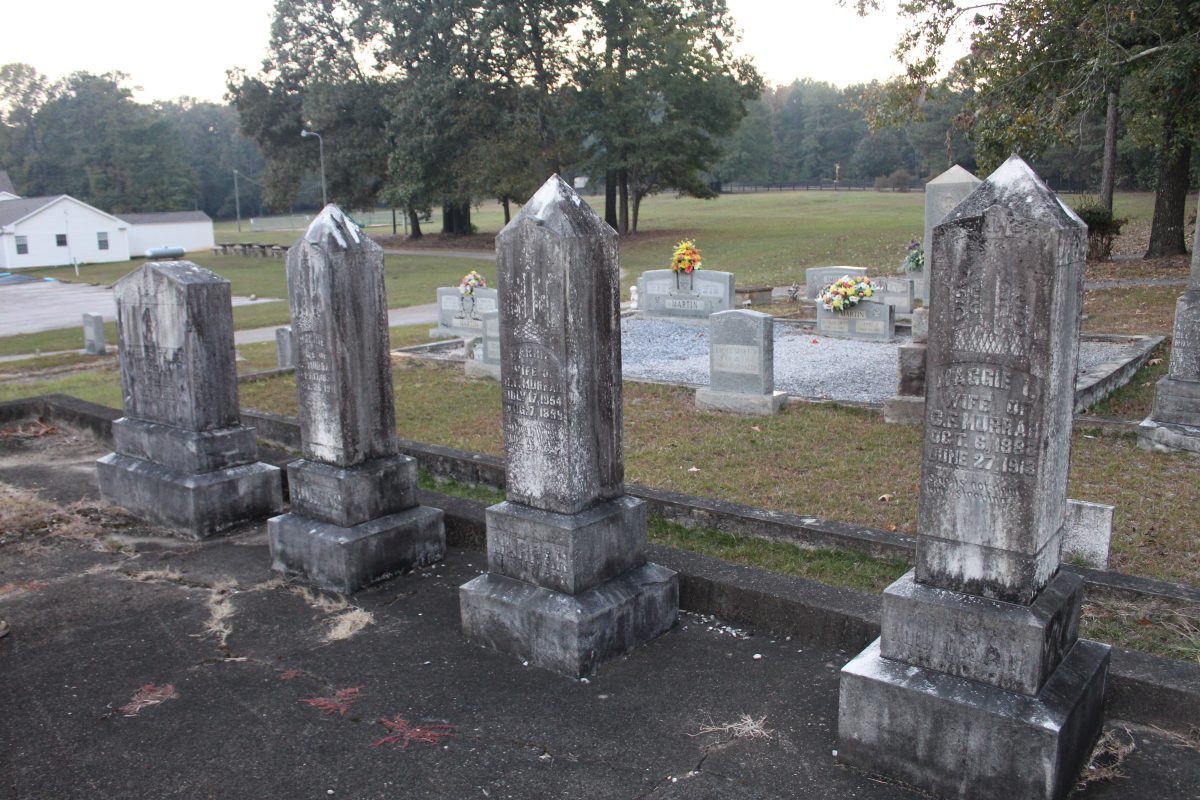
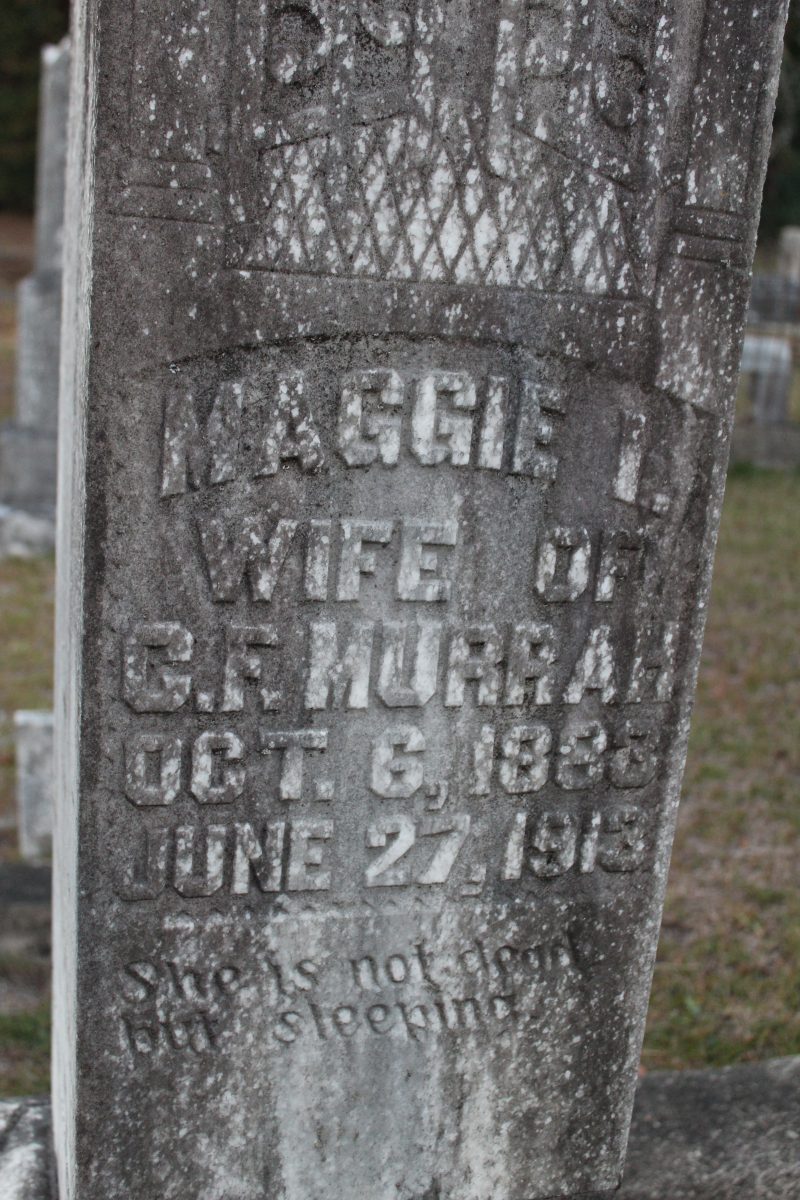
Individual photos of each wife’s monument. Photos by Christa Jennings
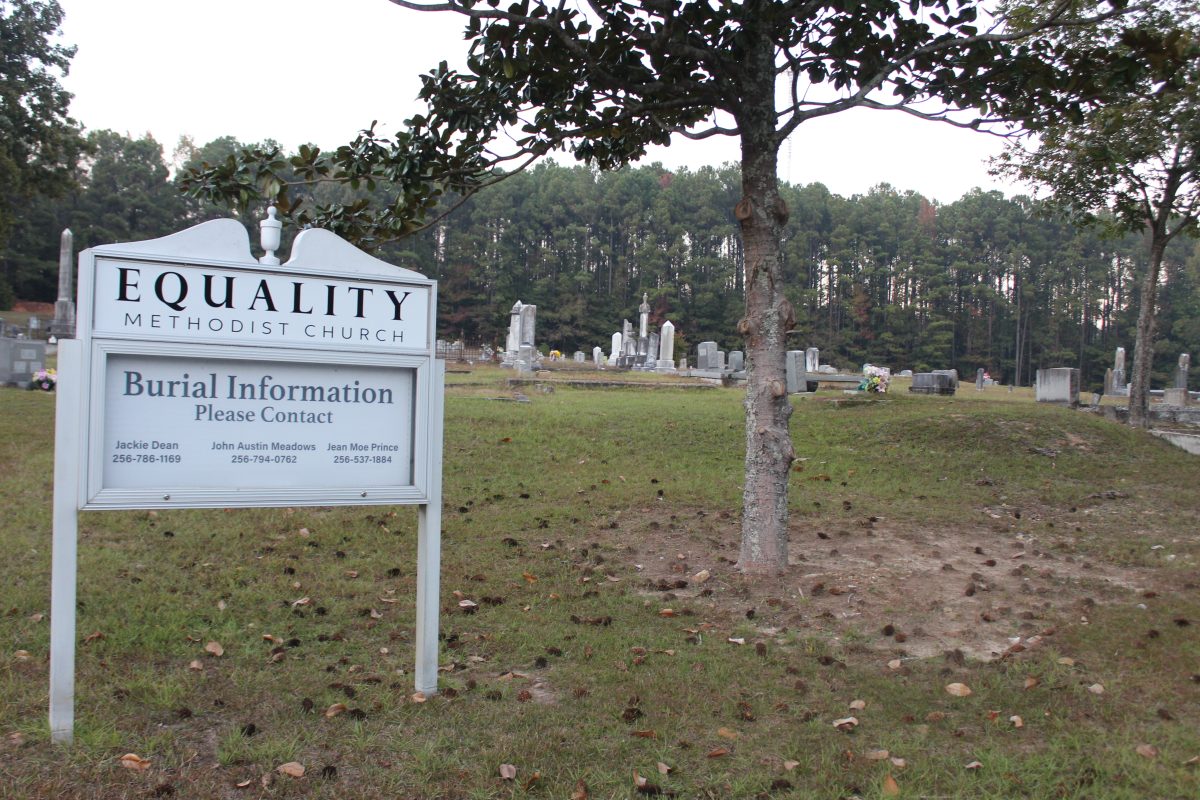
The Equality Methodist Church Cemetery, otherwise known as simply the Equality Cemetery, is featured in a vignette in a book about Alabama cemeteries published earlier this year. Photo by Christa Jennings
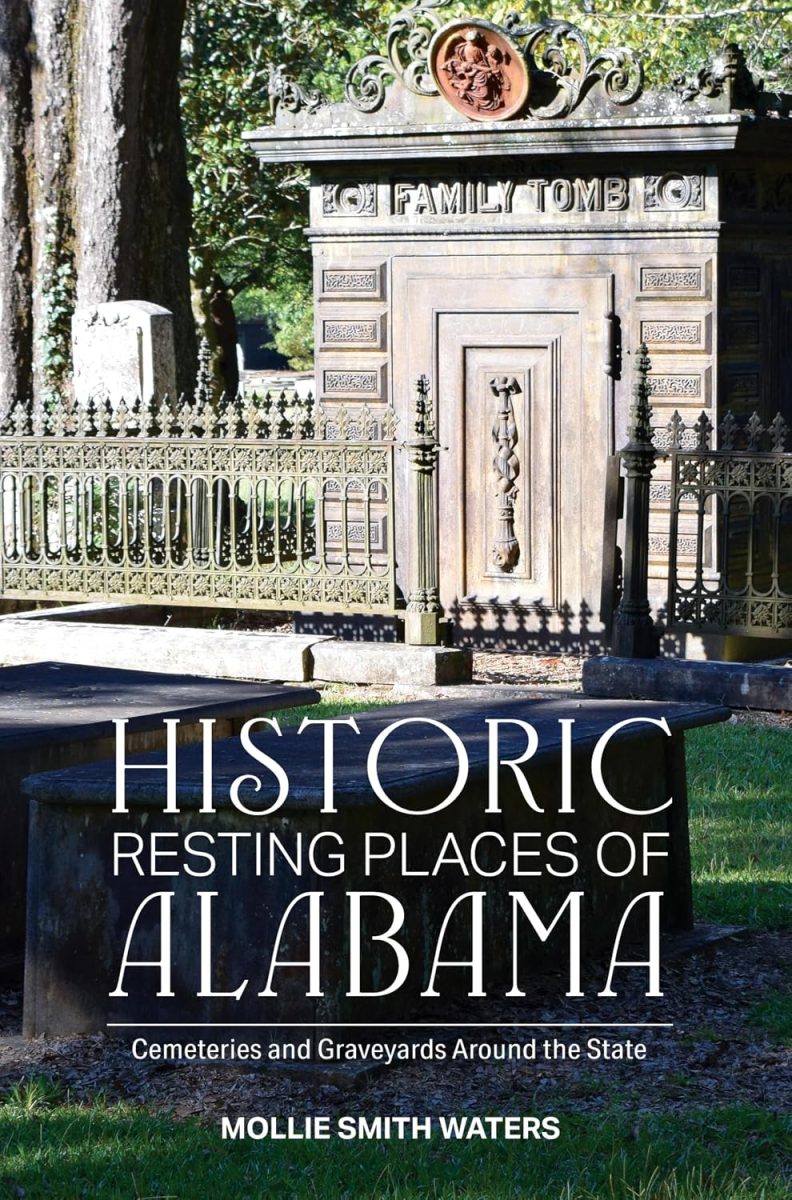
Cover of “Historic Resting Places of Alabama: Cemeteries and Graveyards Around the State” by Mollie Smith Waters