
When motherhood feels hard: Understanding postpartum mental health
PROTECTED CONTENT
If you’re a current subscriber, log in below. If you would like to subscribe, please click the subscribe tab above.
Username and Password Help
Please enter your email and we will send you a password reset link.
(Strong Women…Strong Community monthly column)
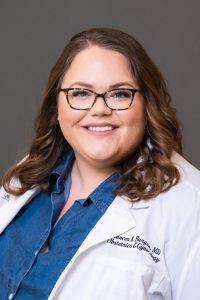
By: Dr. Fran Burgan
UAB Department of Obstetrics and Gynecology
Many people expect pregnancy and the time that follows with a new baby to be a happy time. For many families, it is. But for others, it can also bring sadness, worry, or fear. These feelings may be part of what is called PMADs, which stands for perinatal mood and anxiety disorders.
What are PMADs?
PMADs are medical conditions that can start during pregnancy or in the first year after birth. They are common and treatable. PMADs include:
– Depression (often called postpartum depression)
– Anxiety or related disorders (panic attacks, obsessive thoughts or behaviors (OCD))
– Bipolar disorder
– Post-traumatic stress (PTSD)
– In rare cases, postpartum psychosis
PMADs are not a sign of weakness or bad parenting. They are caused by changes in hormones, lack of sleep, stress, past mental health issues, and life challenges.
How common are PMADs?
About 1 in 5 people will develop an incidental mental health condition diagnosed during or after pregnancy. About 27% of the women in the U.S. are affected by a mental health disorder. Despite their prevalence, many times PMADs are missed or undertreated.
Symptoms to watch for
If several of these are present for most days for more than two weeks, please reach out to speak with a health care provider:
– Feeling sad, hopeless, or crying often
– Constant worry, fear, or panic attacks
– Trouble sleeping or sleeping too much
– Changes in appetite
– Loss of interest in things you once enjoyed
– Feeling disconnected from your baby
– Trouble thinking clearly or making decisions
Emergency warning signs
Thoughts of harming yourself or your baby, or hearing voices, are medical emergencies and need immediate help.
What helps
– Screening: OB-GYNs and other providers routinely screen for PMADs because early care helps people recover faster.
– Treatment: Counseling, support groups, and in many cases, medication can be very effective. Nearly all medications for PMADs are safe during pregnancy and breastfeeding when carefully chosen together by provider and patient.
– Community support: Help with meals, rides, childcare, sleep, exercise, or simply checking in can make a big difference.
– If you or someone you love is in crisis, call 911 or go to the nearest emergency room.
Starting the conversation
You can talk to your OBGYN, midwife, family doctor, or local health department. Ask about phone or video visits if travel is hard. If you are a friend or family member, listen without judgment and help connect them to care. PMADs are common, real medical conditions, and help works. No one in our community should face this alone.
Other resources
Postpartum Support International (PSI) Helpline
1-800-944-4773 (Call or text “Help;” Phone in English/Spanish)
Postpartum Support International also has numerous online support groups and resources on their website https://www.postpartum.net
National Maternal Mental Health Hotline
1-833-TLC-MAMA (call/text, English/Spanish)
https://mchb.hrsa.gov/programs-impact/national-maternal-mental-health-hotline
Suicide Crisis Helpline
Dial or text 988 in the U.S.; online chat also available
MAMMHA
Provides virtual group and individual therapy, mental health screenings, care coordination
https://www.mammha.com


