Protect, screen, prevent: A gynecologic oncologist’s plea to Alabama
PROTECTED CONTENT
If you’re a current subscriber, log in below. If you would like to subscribe, please click the subscribe tab above.
Username and Password Help
Please enter your email and we will send you a password reset link.
Strong Women, Strong Community monthly column
This month’s info:
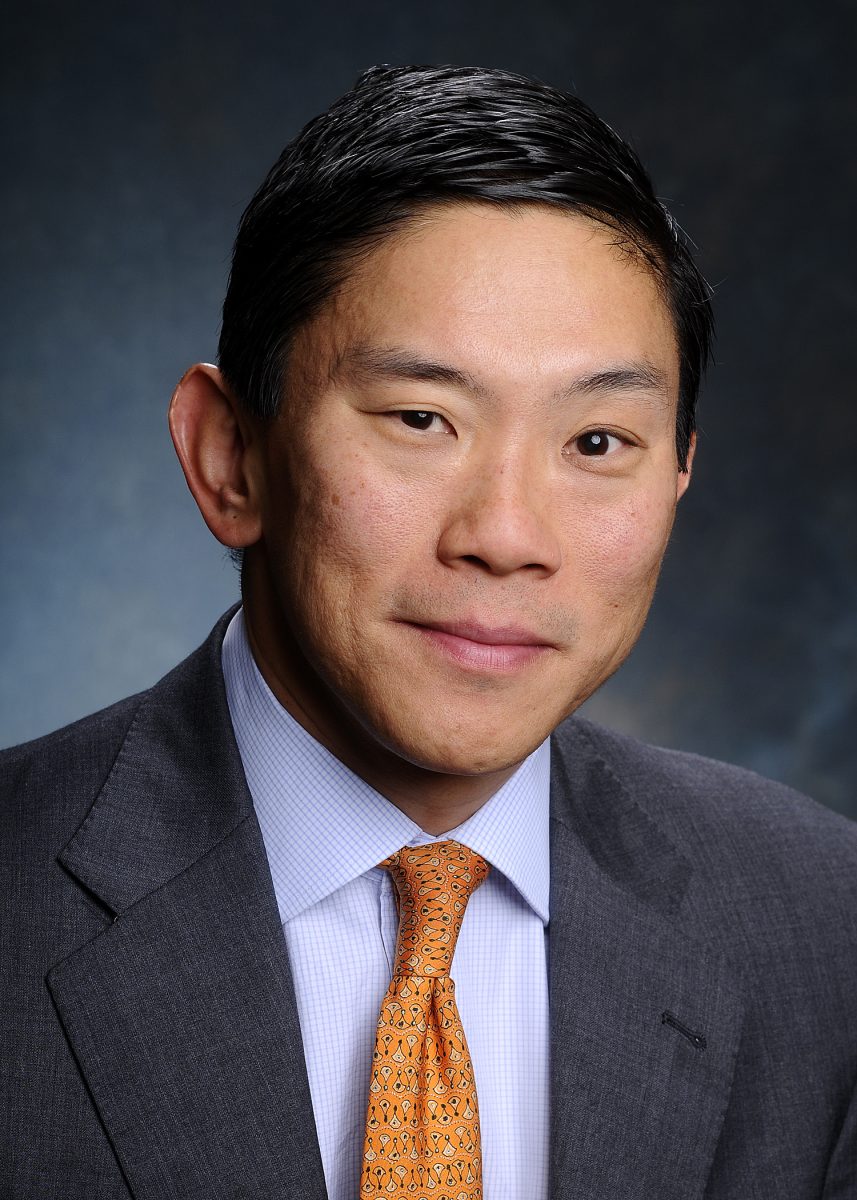
Dr. Warner Huh, gynecologic oncologist
Chair, UAB Dept. of Obstetrics and Gynecology
As a gynecologic oncologist, I have dedicated my career to preventing and treating gynecological cancers. One of the most preventable cancers is cervical cancer.
It is a serious disease that can deeply affect a woman’s life, her family and her community. I have seen too many women; often in their 30s, 40s and 50s; suffer from advanced cervical cancer, which could be prevented. Every time I see it, I renew my commitment to end this disease because no woman should go through this painful experience.
What is Cervical Cancer?
Cervical cancer starts in the cervix – the lower part of the uterus. It often has no symptoms in the early stages. Almost all cases are caused by a very common virus called HPV (Human Papillomavirus).
There are many types of HPV. Some cause harmless warts, but others can lead to cancer – including cervical, anal, penile, mouth, and throat cancer. Most people get HPV at some point, and it usually goes away on its own. But if it stays in the body for years, it can cause cells to change, and those changes can turn into cancer if not treated in time.
The good news is that we prevent cervical cancer through three simple steps: HPV vaccination, regular screening and appropriate follow-up and treatment.
About the HPV Vaccine
The HPV vaccine protects against the types of HPV that cause most cervical and other cancers. It works best when given before someone is exposed to the virus – ideally at age 11 or 12, though children can get it as early as age 9. If teens or young adults missed getting the vaccine earlier, they can still get it up to age 26 – and some adults can get it up to age 45 based on a doctor’s recommendation.
The vaccine is very safe and almost 100% effective at preventing the targeted types of HPV. I’ve seen the results firsthand and made sure my own children were vaccinated as soon as they became eligible.
About Cervical Cancer Screening and Follow-Up
Screening helps find changes in the cervix before they become cancer. Women ages 21–65 should get screened regularly. If the test shows anything abnormal, more follow-up may be needed, but that doesn’t always mean cancer. Sometimes, it just means the doctor will monitor it more closely or treat changes early.
Why Are Cervical Cancer Death Rates So High in Alabama and How We Can Change This?
Alabama has one of the highest cervical cancer death rates in the country. Why? Because many women aren’t getting screened, and some don’t follow up after abnormal results. And if we don’t vaccinate our children against HPV, these rates won’t improve.
As a father, husband and physician, I am committed to eliminate cervical cancer as a public health problem in Alabama. I am very excited about OPERATION WIPE OUT which is a plan to eliminate cervical cancer as a public health problem in our state. But we need your help. Please remember these three important steps:
- Get the HPV vaccine for your children and encourage others to do the same.
- Get screened regularly for cervical cancer.
- Follow up if your screening shows any changes.
Free screening is available for low-income uninsured women through the Alabama Breast and Cervical Cancer Early Detection Program at 1-877-252-3324.
Together, we can wipe out cervical cancer. For more information go to www.operationwipeout.org.