Landowners advised to keep eyes out for invasive cogongrass
PROTECTED CONTENT
If you’re a current subscriber, log in below. If you would like to subscribe, please click the subscribe tab above.
Username and Password Help
Please enter your email and we will send you a password reset link.
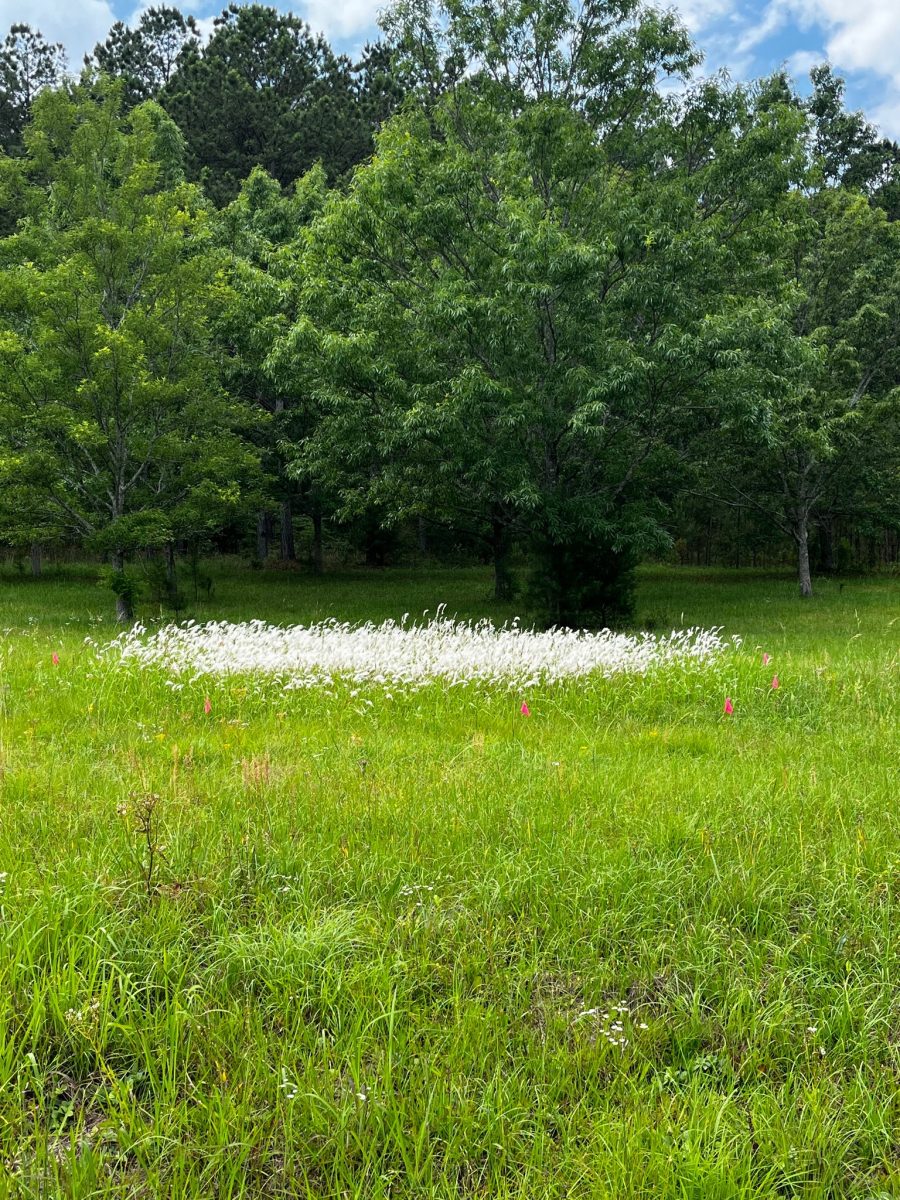
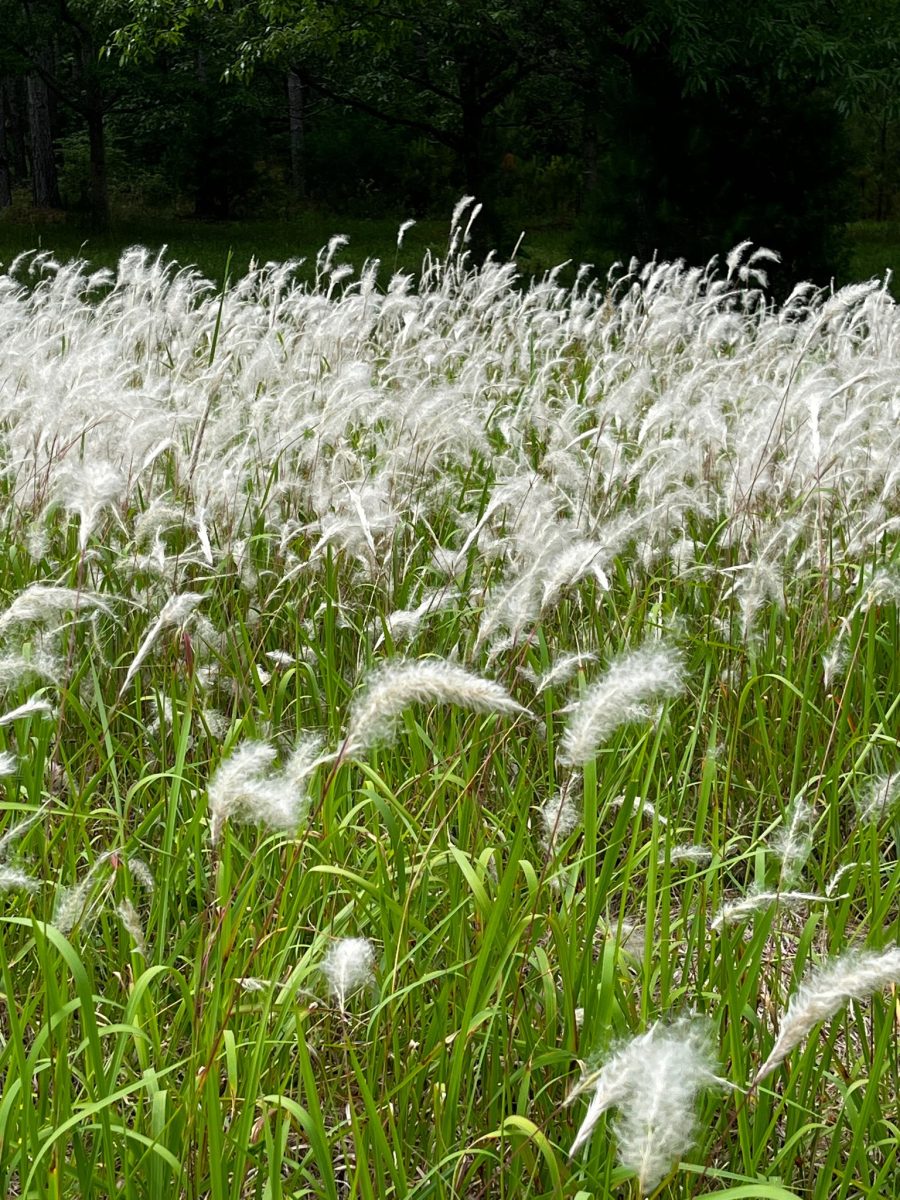
A patch of invasive cogongrass was recently spotted in Coosa County and reported to the local Alabama Forestry Commission to help control it. Photo submitted
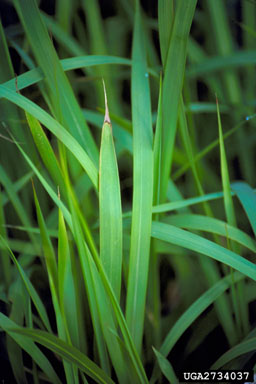
Cogongrass, Imperata cylindrica, is an aggressive colony-forming perennial grass that often forms circular infestations. Photo submitted
Special to the News
Landowners and passersby are encouraged to keep an eye out for cogongrass, an invasive and aggressive perennial grass that often forms circular infestations.
The local office of the Alabama Forestry Commission is working to control cogongrass in Coosa County and help keep it from spreading. They appreciate help from the public in reporting cogongrass patches so that they can be treated properly.
Cogongrass, or Imperata cylindrica, is an aggressive colony-forming perennial grass native to Southeast Asia that often forms circular infestations.
The grass is one to six feet tall, often leaning into mats when it is more than three feet tall and arising from branching sharp, white-scaly rhizomes. Tufts of long leaves are usually yellow-green, with blades that have an off-centered, white midvein.
Silvery-plumed flowers are tightly branched on the terminal end of a reddish slender stalk. Flowers typically bloom in Alabama from February to May. However, in Coosa County and other areas of central Alabama, cogongrass flowers from roughly April to June, according to Brad Dunham, AFC forestry management specialist in Coosa County.
The seeds are tiny, brown, oblong, and grain-like and are obscured in dense tufts of silky, silvery-white hairy husks. Seeds appear from May to June and are released by wind dispersal. Cogongrass resembles several other grass species growing in Alabama.
It grows in full sunlight to partial shade and can aggressively invade a range of sites: rights-of-way, new forest plantations, open forests, old fields, and pastures.
It colonizes by rhizomes and spreads by wind-dispersed seeds. Rapidly growing and branching rhizomes form a dense mat enabling it to exclude the growth and regeneration of most other vegetation. Cogongrass burns extremely hot, especially in winter if promoted by a wildfire or a prescribed burn. Cogongrass is absent in areas with frequent tillage.
Regarding herbicide control, for mature older growth infestations, apply a 42-plus% active ingredient of imazapyr herbicide (Arsenal AC, Vanquish, or Polaris AC) as a 1% solution (4 ounces per 3-gallon mix) in water with a surfactant (methylated seed oil, vegetable oil, or basal oil) at a 1% solution to thoroughly wet all leaves. Apply herbicide from June to September.
If safety to surrounding vegetation is desired, apply a 41% active ingredient of glyphosate herbicide (Accord, Razor, or Roundup Original) as a 2% to 5% solution (8 to 20 ounces per 3-gallon mix) in water with a surfactant at a 1% solution.
Two herbicide treatments should be applied per growing season anytime from March to October (just before flowering in the spring and again in late summer).
Apply a glyphosate herbicide (2% to 5% solution) with an imazapyr herbicide (1% solution) in water with a surfactant (1% solution) for better effectiveness on growing shoots.
Treat the cogongrass and any re-sprouts until rhizomes are dead for successive years to eradicate infestation.
Herbicides containing the active ingredient imazapyr can damage plants with roots in the treated area, so those applying herbicide are advised to always read and follow label instructions carefully.
The Alabama Forestry Commission asks that anyone who discovers patches of cogongrass to report it so that it can be treated and controlled.
“If landowners can provide us with an address or latitude and longitude we can assist them with treating the area with herbicide,” Brad Dunham with AFC said. “We have marked several spots throughout Coosa County this summer, but it seems to be more prevalent in western parts of the county at this time.”
For more information and to report cogongrass, landowners can contact Brad Dunham at 256-397-4336, Braxton Lashley at 256-626-0799, or Ryan Dunham at 256-401-3137.