
Understanding endometriosis: What women, families need to know
PROTECTED CONTENT
If you’re a current subscriber, log in below. If you would like to subscribe, please click the subscribe tab above.
Username and Password Help
Please enter your email and we will send you a password reset link.
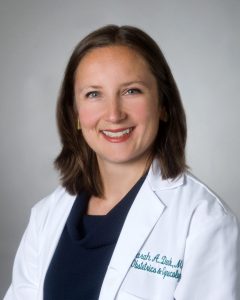
By Dr. Sarah Dunk
UAB Dept. of Obstetrics and Gynecology
Endometriosis is a common, but often misunderstood, health condition that affects many women from adolescence through their childbearing years. Yet, many people have never heard of it – even though it can significantly impact quality of life and fertility.
What Is Endometriosis?
Endometriosis happens when tissue similar to the lining of the uterus – called the endometrium – grows outside the uterus in places such as the ovaries, fallopian tubes, bladder, bowel, or pelvic lining. This misplaced tissue still reacts to menstrual hormones each month. But, unlike the normal uterine lining which can shed (a menstrual period), the misplaced tissue has nowhere to go. This can cause inflammation, irritation, scarring, and sometimes significant pain.
Who Does It Affect?
One in 10 women of reproductive age (age 15-49) may have endometriosis. It is the leading cause of female infertility, especially when other causes are not found. It is much less common after menopause.
Recognizing the Symptoms
Symptoms of endometriosis vary from person to person. They can include:
- Severe menstrual cramps that disrupt daily life
- Recurrent pelvic pain before or during periods
- Pain during sex, bowel movements or urination
- Spotting or bleeding before periods
- Difficulty getting pregnant
How is Endometriosis Diagnosed?
There is no simple blood test to diagnose endometriosis. Health care providers usually start with a medical history, a physical and pelvic exam, and imaging tests like an ultrasound of your pelvis. A surgical procedure called a laparoscopy (looking inside your body with a small camera) is the best way to confirm the diagnosis.
Treatment Options
Treatment depends on severity of symptoms and a patient’s personal goals (such as pain relief, or preserving fertility). Some options include:
- Pain medications
- Hormone therapy to slow or stop menstrual cycles
- Surgery to remove the endometriosis tissue
- For women trying to conceive, fertility treatments or surgery may help improve chances of pregnancy
Unfortunately, there is no cure for endometriosis. However, many women find ways to manage their symptoms and improve their quality of life. Early recognition and partnership with a trusted health care provider can make a big difference.
Why Awareness Matters
Endometriosis affects not only physical health, but emotional well-being and family life. Knowing the signs and symptoms can help patients seek medical care, and receive the support and treatment they need.
If you or someone you know experiences severe menstrual pain, fertility concerns, or persistent pelvic discomfort, don’t hesitate to talk to a doctor – these are not things to simply “put up with.”
