Introducing Diego: New jaguar at Birmingham Zoo
Special to the News
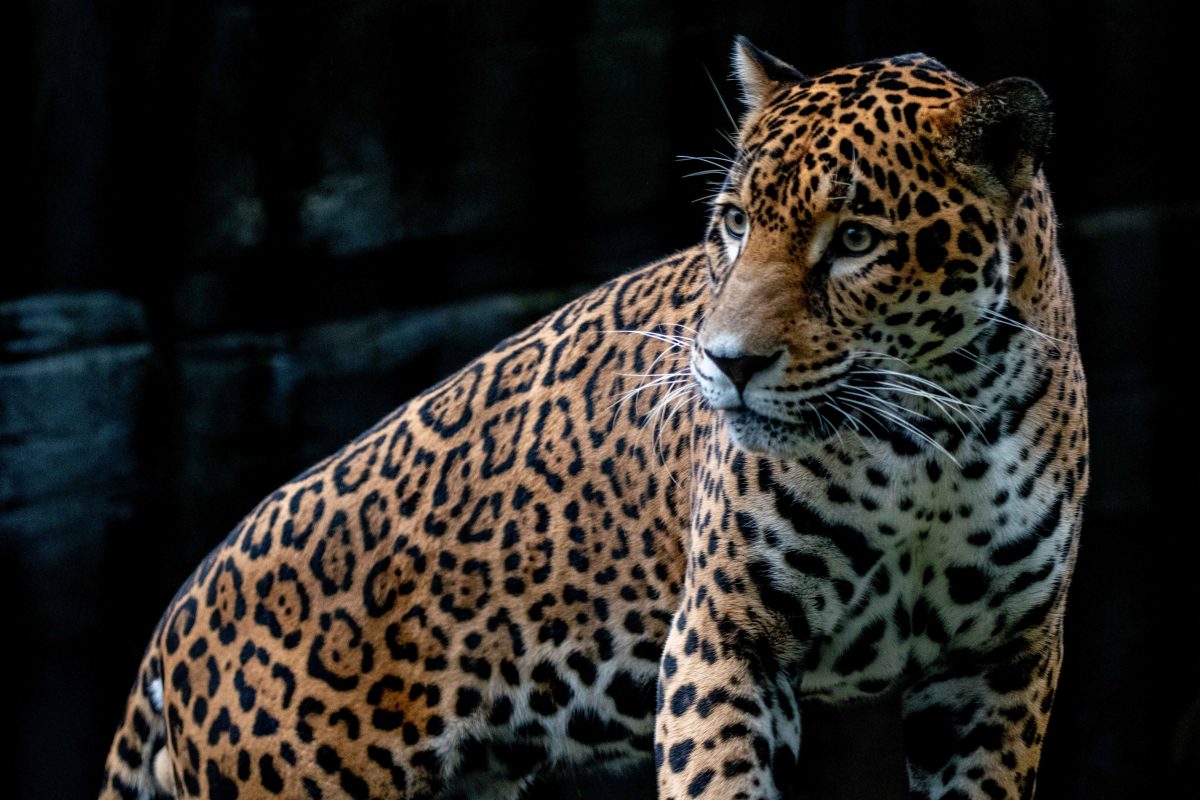
Diego, a striking male jaguar, has arrived at the Birmingham Zoo and can now officially be seen in his outdoor habitat in the Primates/South America Building.
Diego replaces Khan, the previous jaguar, who went to the Brevard Zoo in Melbourne, Fla., as part of the Jaguar Species Survival Plan (SSP).This vital program is dedicated to maintaining a healthy and sustainable jaguar population in human care.
Diego arrived in Birmingham on August 25 from the Memphis Zoo. Since arriving in Birmingham, Diego has been settling into his indoor and outdoor habitats while building relationships with the zoo keepers.
His newly enhanced outdoor habitat features a refreshed waterfall, new landscaping and dynamic climbing structures that give him plenty of room to explore, prowl and perch.
Born on January 24, 2017, Diego has already made a name for himself, having successfully fathered cubs and contributed to the long-term future of this incredible species.
Diego was at the Elmwood Park Zoo before arriving at the Memphis Zoo in 2018. He fathered two cubs at the Memphis Zoo.
“We are delighted to welcome Diego to the Birmingham Zoo,” said Chris Pfefferkorn, president and CEO of the Birmingham Zoo.
“Diego has been enjoying his enhanced habitat, and we look forward to our guests meeting him at the Birmingham Zoo,” said Pfefferkorn. “We are also pleased to report Khan is doing well at the Brevard Zoo, and introductions to a future mate are going well. Hopefully he will father cubs in the future as AZA (Association of Zoos and Aquariums) continues to help protect the jaguar species. Our mission is inspiring passion to conserve the natural world, and these jaguars are definitely helping us do that.”
Jaguars are native to South America and are the third largest cat in the world. There are approximately 173,000 jaguars left in the world today with most of these big cats being found in the Amazon rainforest.
In the wild, jaguars can live up to 12 to 15 years. With the expertise of animal care professionals in AZA facilities, they can live up to 20 years or longer.
Jaguars are a “Near Threatened” species with a decreasing population. They are under threat from growing demand for their skin/fur, teeth and claws.