The stately stone buildings of Rockford: Part 1
PROTECTED CONTENT
If you’re a current subscriber, log in below. If you would like to subscribe, please click the subscribe tab above.
Username and Password Help
Please enter your email and we will send you a password reset link.
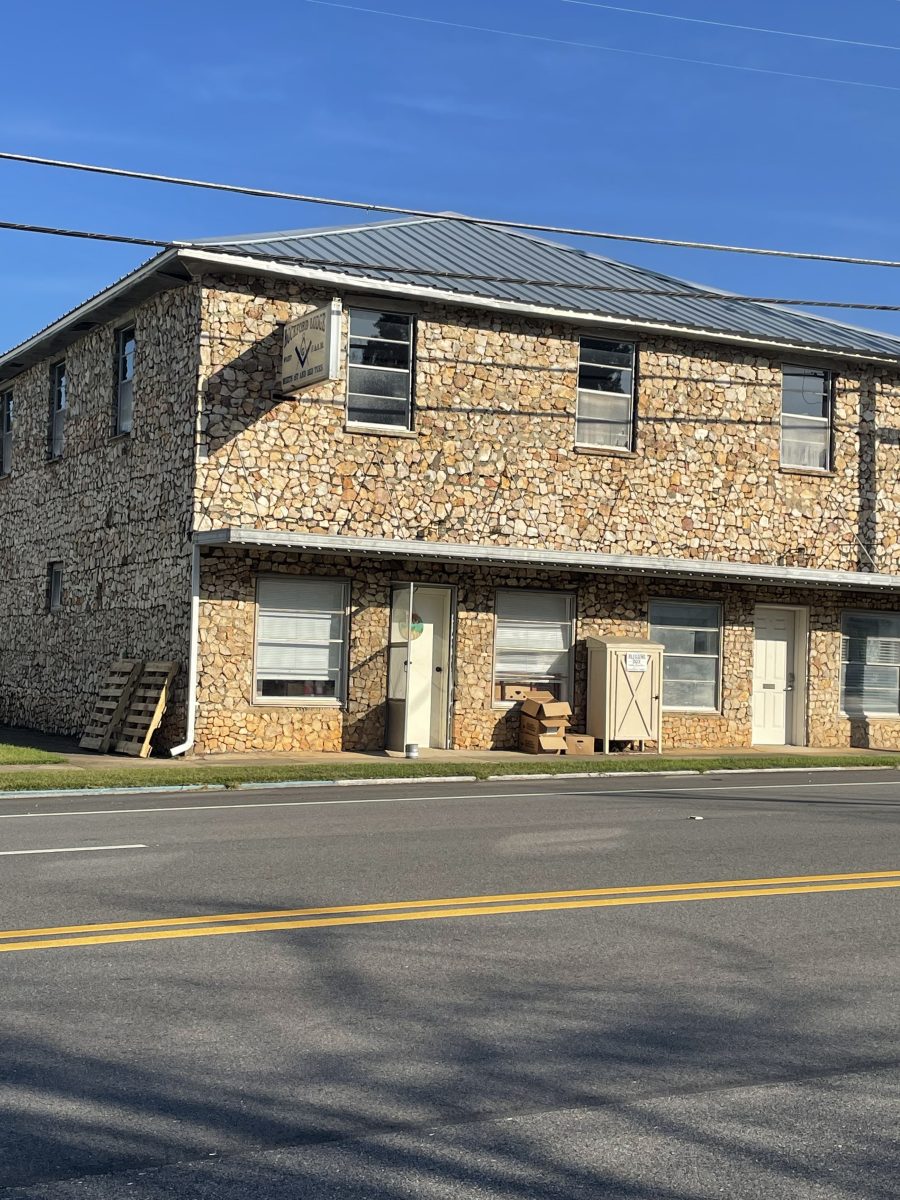
The Rockford Masonic Lodge #137
History speaks from the stone buildings that symbolize Rockford, leading many questions as to how Rockford became known as such.
A ride from either direction into the main intersection reveals a pretty good answer to the name of “Rockford,” for rocks are visible in the architecture of existing buildings, rock walls that line many of the town’s sidewalks, rock columns, and in the presence of huge rock boulders protruding from the ground. For this column we want to bring light to a couple of the historical buildings which are proof that building materials can be found by turning the soils of Rockford.
The Rockford Masonic Lodge #137 can be spotted just three blocks south of Rockford’s main intersection. The history of the Rockford Masonic Lodge goes back to the year 1850 when it was organized and later received its first charter in 1851 from the Grand Lodge of Alabama. This date is based on a cornerstone located in today’s present rock building which is dated A.D. 1851.
The Masonic Lodge during the early days was a two-story building with the second floor divided into two sections. The Lodge also served as the elementary school until 1926 when a new school was built, at which time on September 19, 1927, the lot was deeded to the Rockford Masonic Lodge #137. About 1930 a fire broke out in The McCain Hotel (operated by P.N. and Robbie Davis), which quickly spread to nearby buildings, including the original Lodge.
During the late 1930s rocks for the present building were collected from the fields around Rockford, and after several setbacks of construction and lack of funds, the present day two-story stone Lodge was finally completed in the mid 1940s.
The Rockford Masonic Lodge is still active today, and meetings are held on the first and third Tuesday of each month. (Sources: “The Heritage of Coosa County, Alabama;” records of Rockford Lodge #137, Articles submitted by William S. Phillips and Margaret Davis Swindall)
The Coosa County Cooperative Extension Office is located at the intersection of Jackson Street and the south right of way of Alabama Highway 22. It is suggested that the Extension Office was built during the 1930s or about the same time as the Rockford Woman’s Club House, seeing that the structure is constructed from rocks gathered from the area and the workmanship is very similar.
The design was provided through the services of Mr. Wilson, the architect with the Cooperative Extension Service of Auburn University, and the guidance of the Home Demonstration agent at that time.
The roots of the Cooperative Extension extend as far back as the late 18th Century when farmers began organizing groups to provide useful farming information to their communities. The Extension Service continued to evolve through the years with their primary goal focused on the education of good farming methods and later branched out to home demonstrations, food preservation such as canning, and youth clubs like the Boy’s Corn Club and Girl’s Tomato Club which were the forerunners of today’s 4-H Club.
In 1914, the Smith-Lever Act was passed which provided for state matching federal funds to establish a network of agriculture. This act also provided the Alabama Extension Service to be present in all 67 counties of Alabama. (Source: History of the ACES, Wikipedia (text) CC BY-SA)
While the Coosa County Cooperative Extension Office has served the communities and citizens of Coosa County for more than 80 years, the building is now at jeopardy of being torn down as a unanimous decision was made by the present County Commission at the June 10, 2025, Commission meeting to raze the building.
Gone will be the days when farmers walked through the stately front doors to receive information for pond and pasture management, pest control, gardening, and casting votes for state programs or check-offs. Youth would gather after school to learn about forestry or wildlife and later be able to participate in state and national competitions, for which Coosa County brought home many state and national trophies.
The rock Extension Office has also served many other organizations by providing a meeting place and simply reaching out to meet the needs of the county. The memories of the Coosa County Extension Office will continue to live long after the building disappears.
This column will be continued with “part two” in next week’s edition.
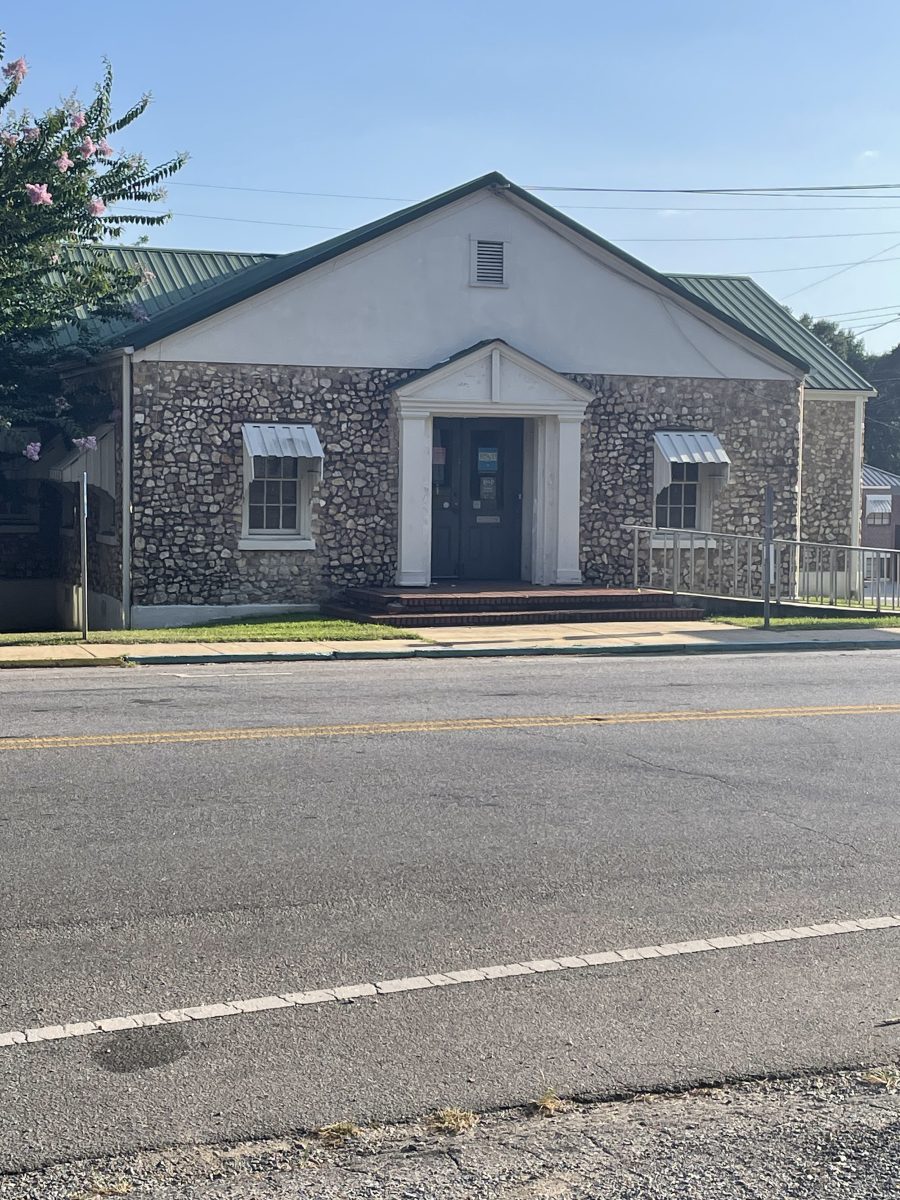
Former Coosa County Cooperative Extension Office