
Time to lock the clock
PROTECTED CONTENT
If you’re a current subscriber, log in below. If you would like to subscribe, please click the subscribe tab above.
Username and Password Help
Please enter your email and we will send you a password reset link.
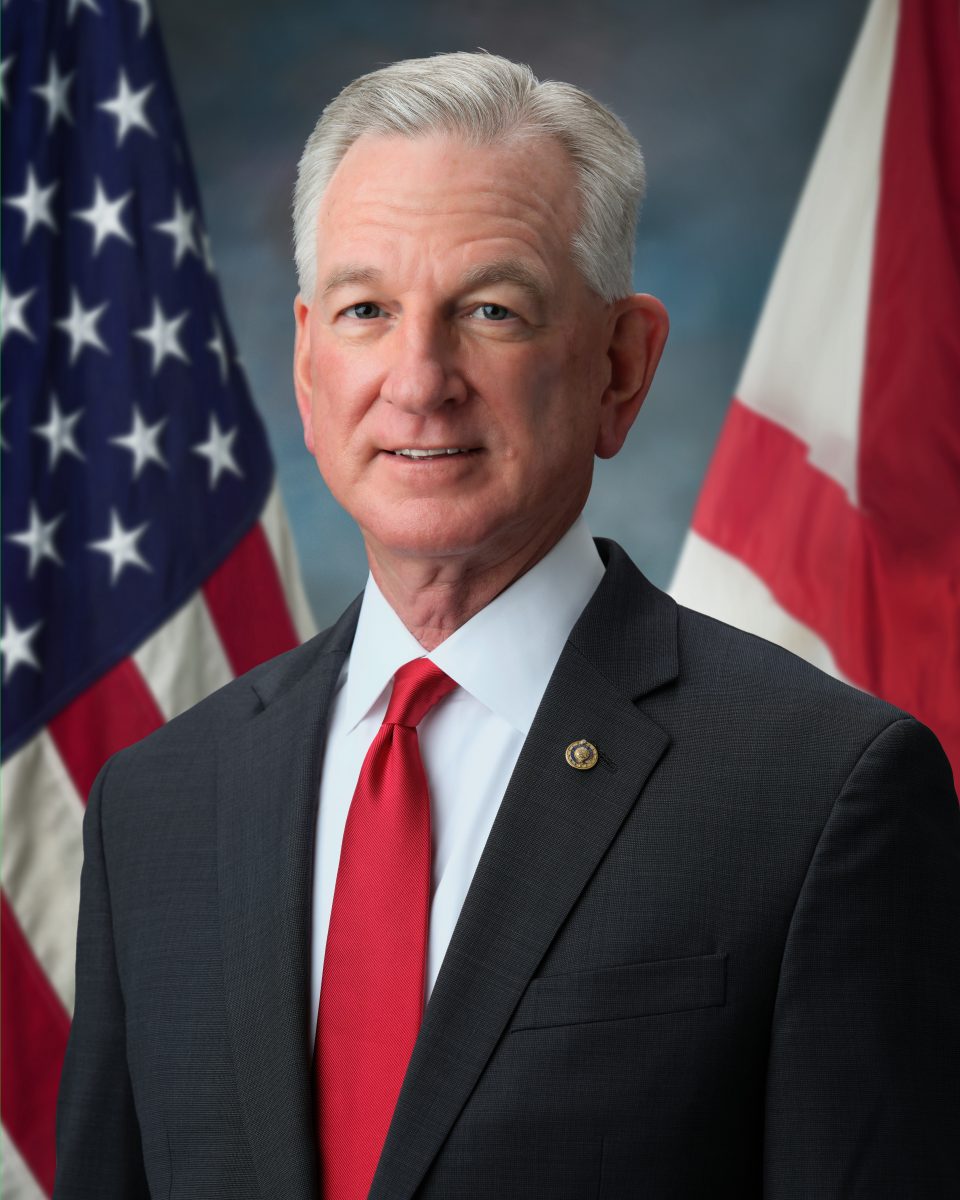
Op-ed by Sen. Tommy Tuberville
Earlier this month, we “sprang forward” and lost an hour of sleep. I hope it’s the last time we do.
Changing the clocks means we effectively give the entire country jet lag twice a year. Disruptive time change can have serious consequences. Studies have suggested that the disruption of sleep patterns associated with the shift in time has increased the risk of cardiovascular disease and physical injuries.
Northwestern Medicine found that the “fall back” and “spring forward” are correlated with a 6% spike in fatal car accidents and a 24% higher risk of heart attacks. Additionally, the long-term effects linked to Daylight Saving Time include weight gain, cluster headaches and depression.
The time switch in the fall increases Seasonal Affective Disorder every year – and a study published in 2017 found that the transition from Daylight Saving Time to Standard Time increased the number of hospital visits for depression by 11%.
The idea of Daylight Saving Time was originally known as “War Time” and was introduced as a temporary measure to conserve energy and better use our resources during World War II. Now, nearly 100 years later, American energy consumption has rapidly changed. While adjustments to our clocks might have made sense when it first began, it does not make sense anymore.
That is why I joined Sen. Marco Rubio and a bipartisan group of colleagues in reintroducing the Sunshine Protection Act to make Daylight Saving Time permanent. The bill would provide an extra hour of sunlight in the afternoon, which would be most noticeable during the dark and cold winter months.
Many studies have proven that extra sunlight in the evening can lead to improvements in mental health, physical fitness, economic growth, and overall well-being. It’s a simple way we could positively impact the day-to-day life of all Americans. It would also be a chance for Congress to finally get something done that a lot of people care about.
Shifting clocks can disrupt sleep patterns, but permanent Daylight Saving Time will help Americans maintain a consistent sleep schedule. Permanent Daylight Saving Time will provide extra sunlight in the evening and encourage more physical activity – including outdoor walks, participation in recreational activities and attendance at outdoor events. Our youth will be able to enjoy more time outdoors after school with friends year-round, and older Americans will have more access to critical Vitamin D, which helps prevent osteoporosis.
Longer daylight hours in the evening have been proven to stimulate economic activity, as well, as people are more likely to shop, dine out and participate in group activities when it is light outside.
Our farmers are greatly affected by Daylight Saving Time, as additional sunshine during working hours means more time to work in the fields – which could translate into a more profitable bottom line. More daylight in the evening could also decrease expensive energy consumption on farms by reducing the need for artificial lighting and heating. Estimates state that the time change costs the U.S. economy nearly $434 million in lost productivity annually.
Alabama – along with 18 other states – has already passed legislation to end the outdated practice of changing our clocks. However, the federal government must act to allow those laws to go into effect.
Congress should listen to the people and pass the Sunshine Protection Act to make Daylight Saving Time permanent before we readjust our clocks again this fall. The change would improve our health, bolster our economy and benefit our farmers.
It’s time for America to move forward and stop falling back.