Meet AI, the new campaign staffer
PROTECTED CONTENT
If you’re a current subscriber, log in below. If you would like to subscribe, please click the subscribe tab above.
Username and Password Help
Please enter your email and we will send you a password reset link.

Bridging the Divide
Chuck Bradley
Artificial intelligence is transforming virtually all aspects of social and business life. For better or worse, this includes political campaigns and elections.
These are not the first elections where AI has been used, but they are the first with low-cost AI tools widely available, introducing a new element of uncertainty for campaigns and voters.
AI is changing campaigns at a speed-of-light rate by providing politicians and their teams with advanced tools to shape public opinion.
Campaigns will be using generative AI to personalize voter outreach, tailor speeches and marketing materials, create deepfakes of political opponents, and amplify election narratives. AI tools can also be used for predictive analysis to assess where candidates should focus their advertising and fundraising efforts on campaign tours to sway voters in key jurisdictions.
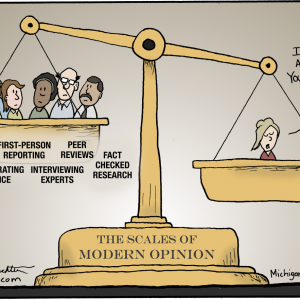
At a time when trust in the election process is rapidly diminishing, tools that blur the lines between reality and misinformation run the risk of eroding voter confidence even more. Voters need to bring an extra level of vigilance to their media and advertising consumption during this election cycle and build basic information literacy skills that will help them identify where political information is coming from; how it’s vetted, edited and distributed; who’s paying for it; and what tools are being used to create it.
AI tools can collate information and election resources at a speed and depth that’s challenging for human political aides to match. Some AI models are trained on years of political strategy data and media coverage, which would be difficult to analyze by a team of human analysts.
AI technology is particularly appealing to candidates struggling with tight budgets, since many tools are free or come with only a small licensing fee. This makes them accessible to groups across the political spectrum.
AI is transforming political campaigns by automating repetitive, time-consuming tasks, such as drafting emails, managing social media and generating content. It’s revolutionizing the way campaigns run in the most boring way imaginable. These tools work behind the scenes, freeing-up staff to focus on more strategic and human-centered activities, like voter outreach and creative thinking.
AI that streamlines campaign operations, such as fundraising and record keeping, can improve efficiency and effectiveness. AI used in political advertising can lower costs, stretching candidates’ campaign budgets further while allowing the development of targeted advertising that’s more affordable.
On the downside, using AI without disclosing its application can contribute to the erosion of voter trust and sow confusion among the voter.
Political campaigns are also turning to AI to prepare candidates ahead of election debates and speaking engagements. GenAI platforms can be used to practice responses to hard-hitting political questions, give candidates role-play opportunities to field insults in the style of their opponents and even provide advice on how to delicately address topics to maximize voter support.
Until next week, please send your questions or comments to bradleychuck92@gmail.com.