Northern lights in Coosa County
PROTECTED CONTENT
If you’re a current subscriber, log in below. If you would like to subscribe, please click the subscribe tab above.
Username and Password Help
Please enter your email and we will send you a password reset link.
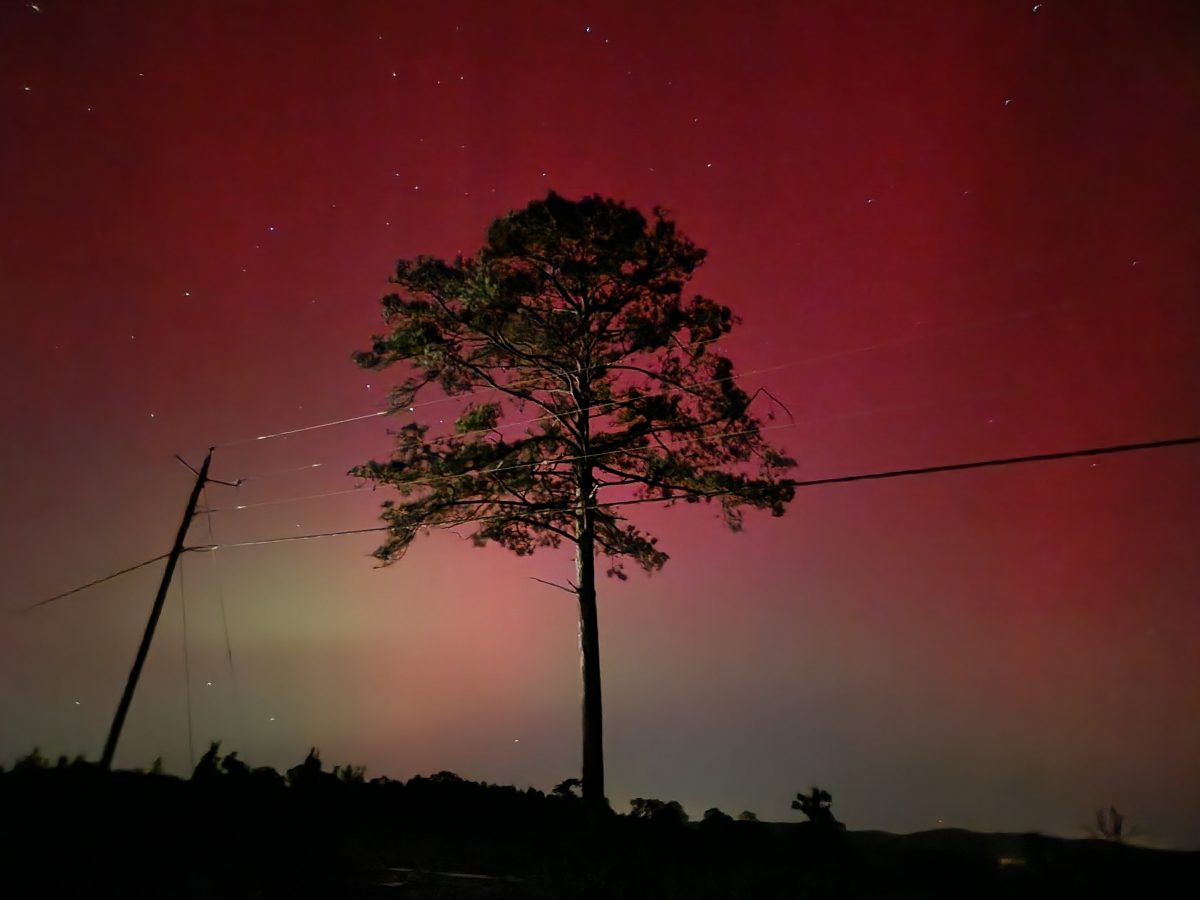
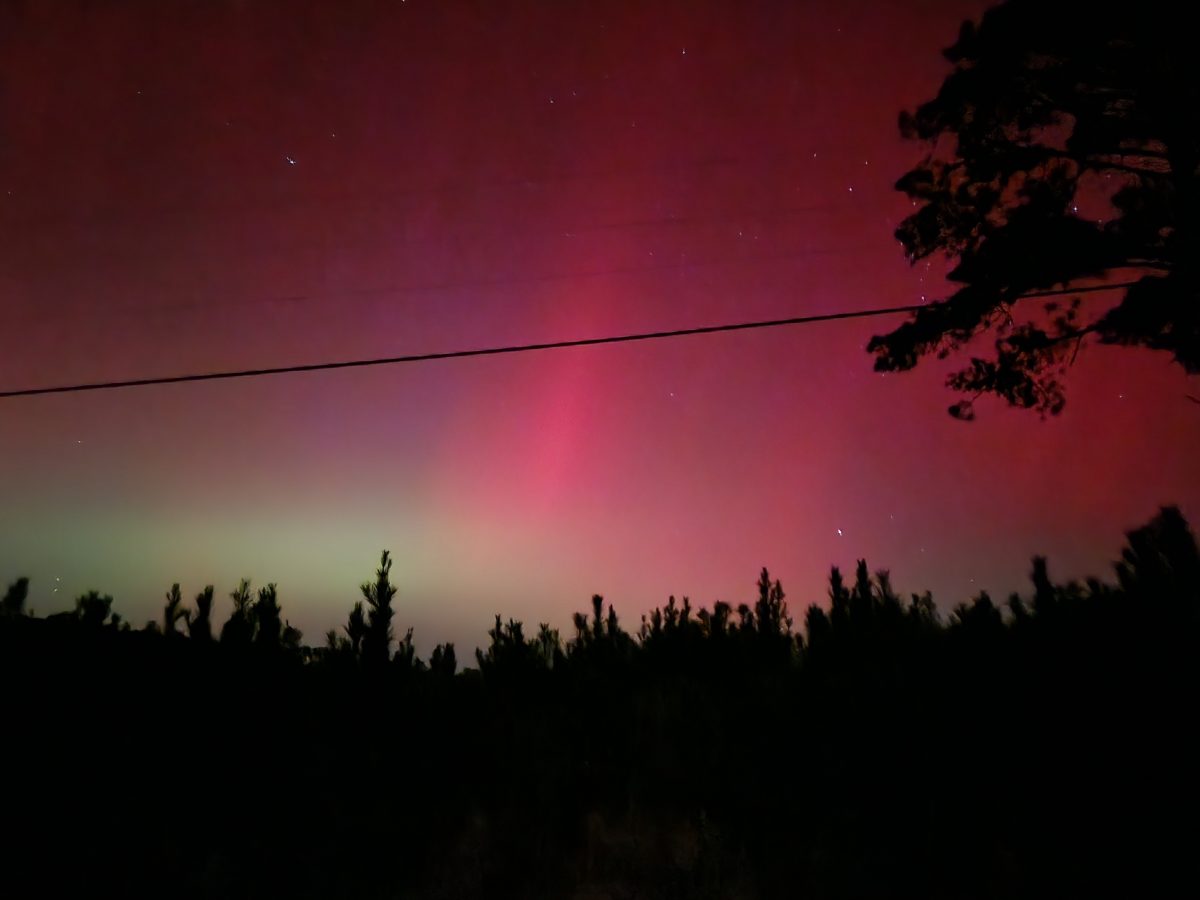
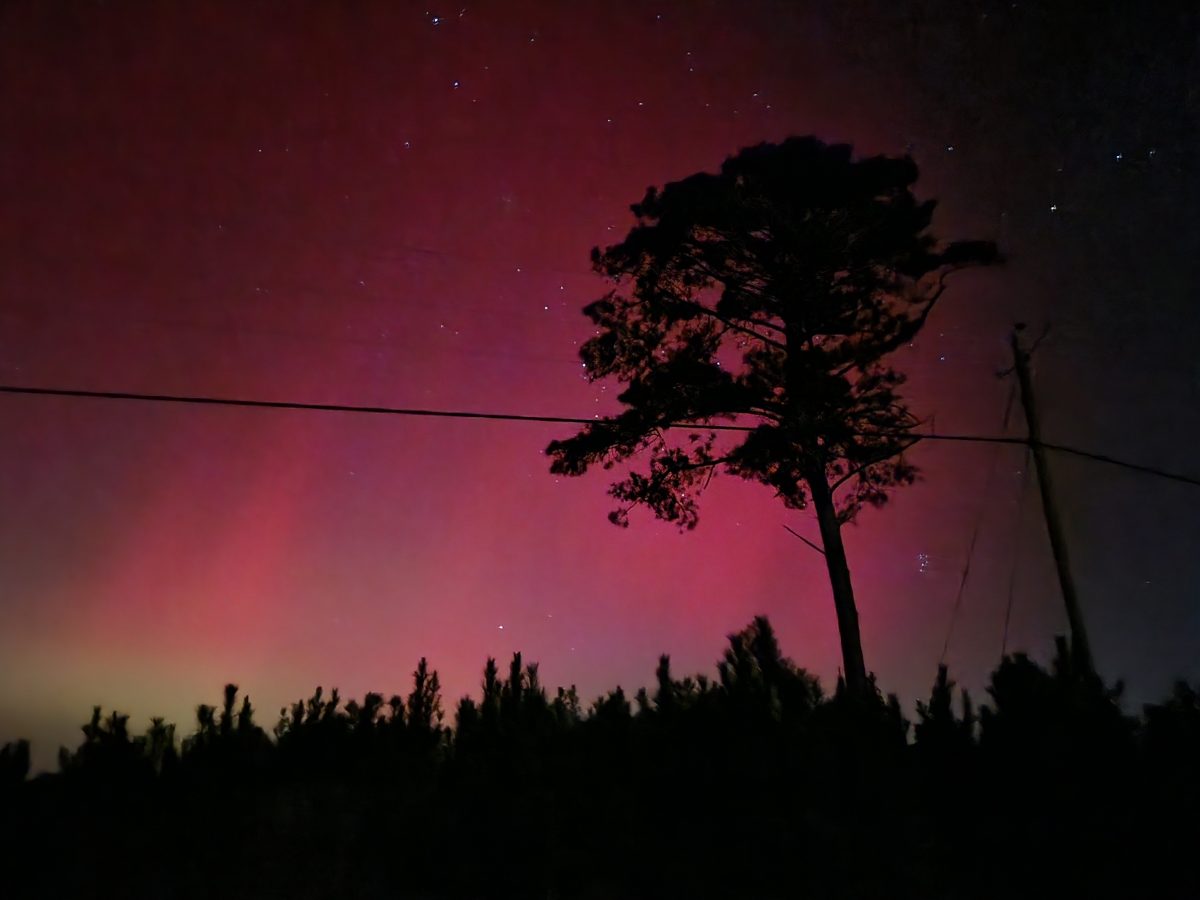
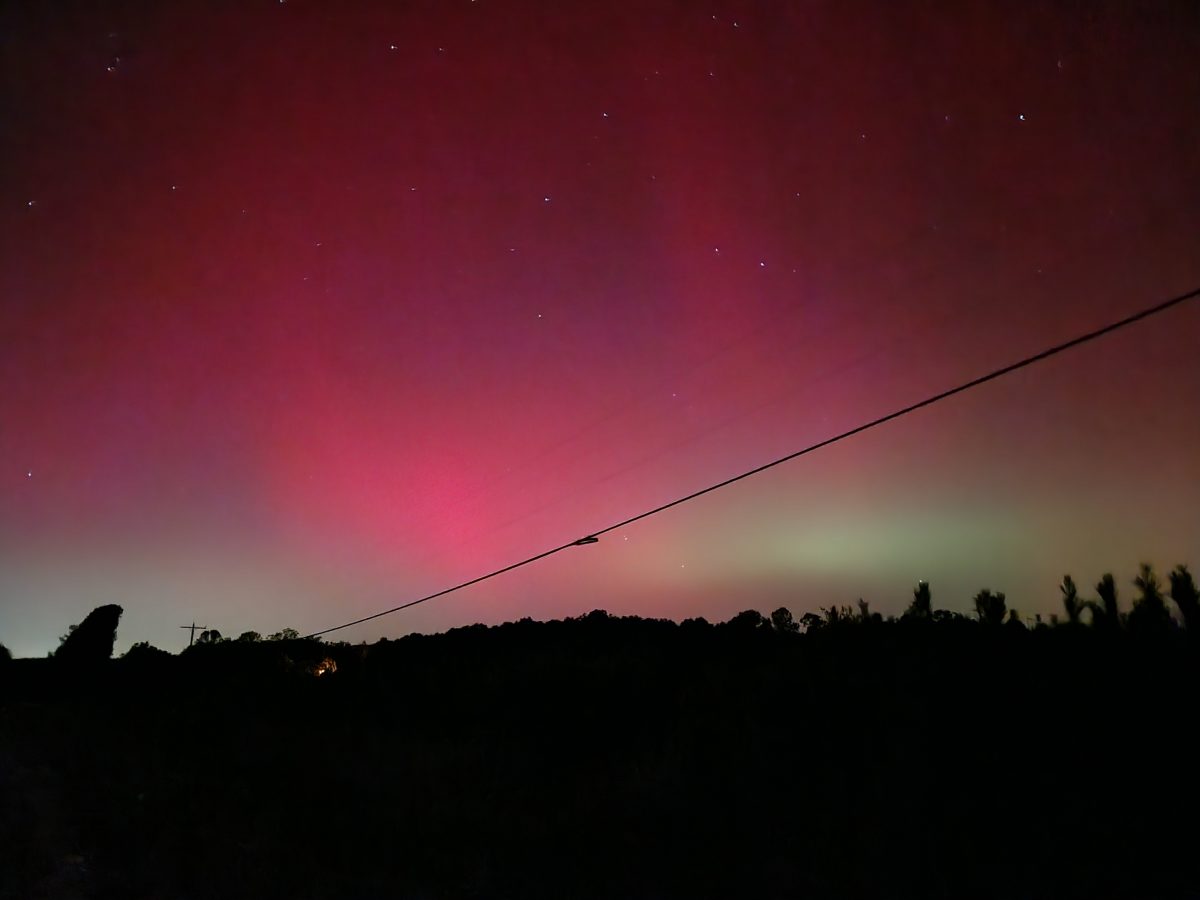
Last Thursday night the northern lights, or aurora borealis, illuminated the southern sky, such as with this view of the northern lights over Goodwater. Photo(s) by Christa Jennings
By Christa Jennings
Senior Staff Writer
For the second time this year, Coosa County residents had the opportunity to enjoy a rare experience, being able to view the northern lights in central Alabama.
Last Thursday night the northern lights, or aurora borealis, illuminated the sky as far south as Alabama, providing views of the night sky in hues of pink, purple, green, and more. The northern lights were last visible this far south in May.
While the aurora is typically only visible closer to the Arctic, heightened geomagnetic activity from a solar storm provided views farther south. Last week’s solar storm was the most severe since May 10, when the Space Weather Prediction Center observed an even stronger and rarer solar storm.
Before May, the U.S. National Oceanic and Atmospheric Administration, or NOAA, had not issued a severe geomagnetic storm watch since 2005.
While there are no guarantees, those who missed the aurora display can find solace in knowing they may get another opportunity to see the northern lights even away from the Arctic region.
The sun goes through roughly 11-year cycles of activity, from minimum to maximum. The sun is currently at the maximum phase of its 11-year cycle, making solar surges and northern lights more frequent.
The sun’s activity is expected to peak next July, according to NOAA, although it will not be known exactly when solar activity peaks until months afterward. However, this solar cycle has yielded more colorful auroras farther south, and more instances of the northern lights appearing at lower latitudes are likely.
NOAA maintains an aurora dashboard online that provides short-term forecasts of the northern lights, including maps of where they will be visible and experimental tools that estimate their intensity. The dashboard can be found at www.swpc.noaa.gov/communities/aurora-dashboard-experimental.
Meanwhile, Coosa County residents can keep an eye out for the possibility of more views of the northern lights in the coming months.