Career Tech students attend Agriscience, Food, Natural Resources (AFNR) Chew, Chat
PROTECTED CONTENT
If you’re a current subscriber, log in below. If you would like to subscribe, please click the subscribe tab above.
Username and Password Help
Please enter your email and we will send you a password reset link.
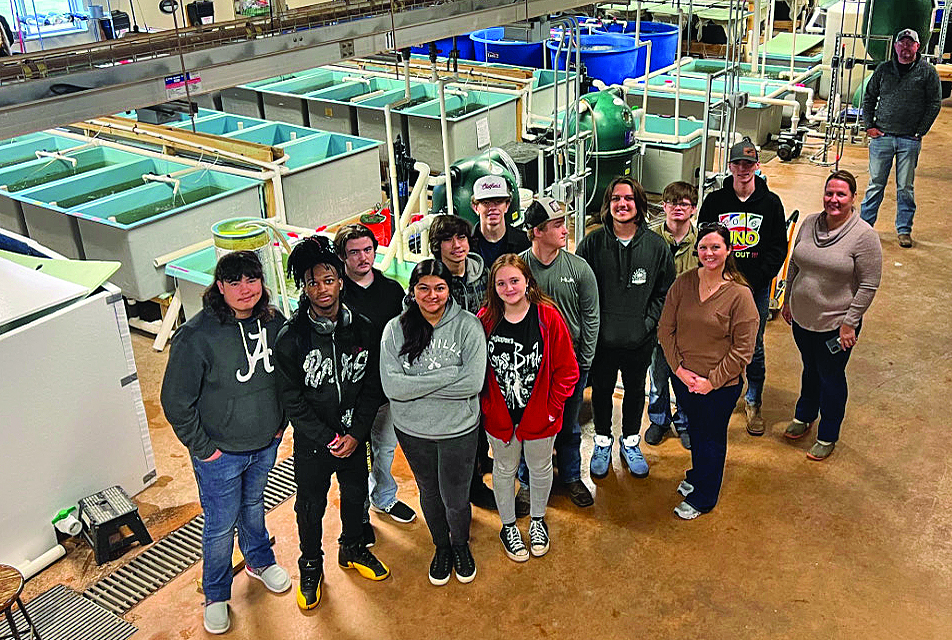
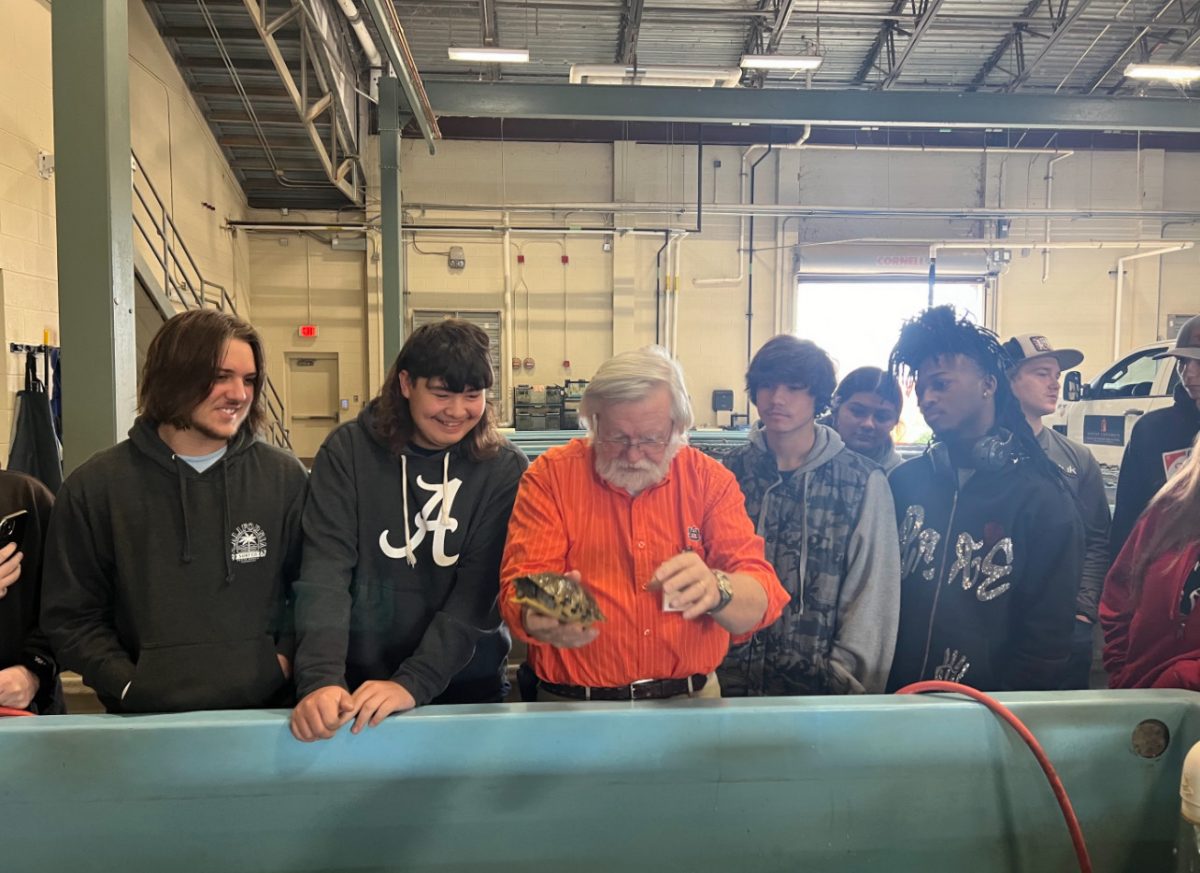
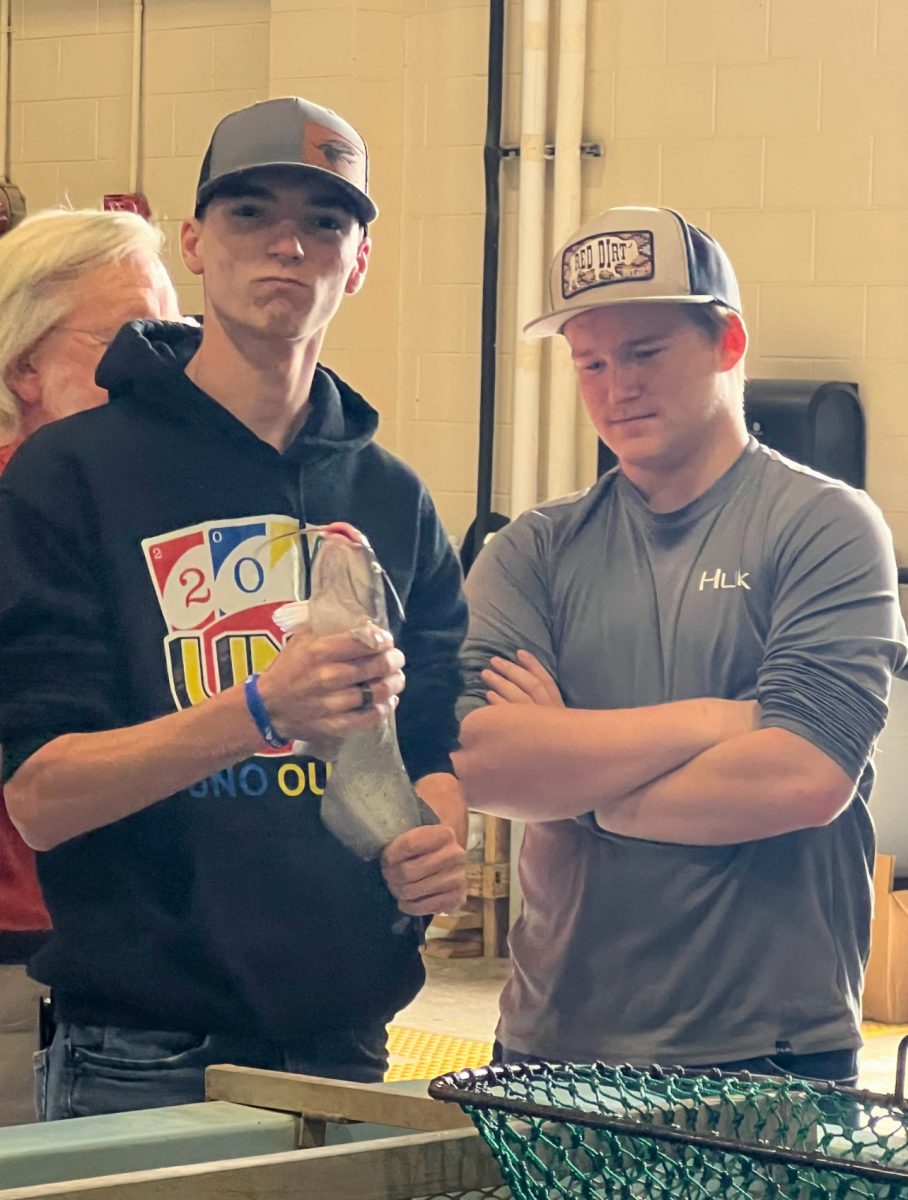
Coosa County Career Tech Center (CCCTC) students recently attended the Agriscience, Food and Natural Resources (AFNR) Chew and Chat.
The students were hosted by Auburn University’s (AU) Fisheries and Vertical Gardens divisions of the College of Agriculture. The AU Fisheries is the largest facility of its kind in the United States and supports studies in multiple areas of agriculture, including aquaponics and hydroponics. The facility that CCCTC students visited specifically focuses on feeding practices, monitoring for disease and disease prevention, and the harvesting of fish and seafood on the Auburn campus, with the wet lab being used most often for food and nutrition studies. The fisheries currently employees seven student technicians in the research department with five of those positions being held by graduate students within the aquaculture program and two student techs.
Our CCCTC students were given an overview of the summer work programs that are available to students and some fun facts that highlight the importance of agriculture, and specifically aquaculture jobs for the global economy.
Our students learned the following interesting information: Alabama has more aquatic life than any other of the 48 continental states, which includes fish, crawfish, shrimp, turtles, muscles, and oysters; the fisheries at Auburn University produce all of the fish and seafood that is served at The Edge dining hall, where our visiting students had lunch, and is also a major supplier of tilapia for the Asian market; globally Alabama produces more fish and shellfish per acre of water than cattle or poultry produced per acre of land; aquaculture is naturally a “farm to table” supporter because on average, 400 miles is the limit of travel for products grown with aquaponics and that this differs drastically from the
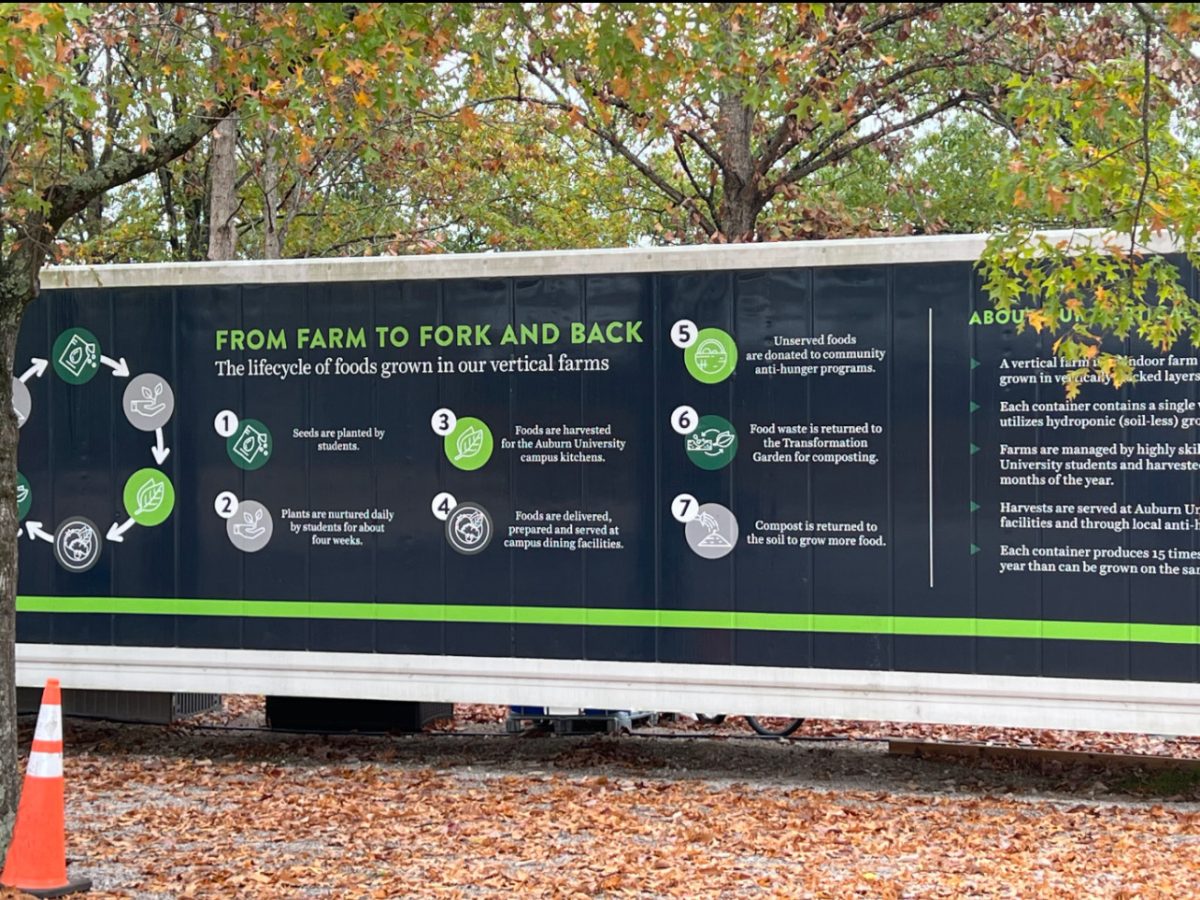
average travel mileage of agri-science products grown on land; one section of the vertical farms freight trailers supplies 80 pounds of lettuce a week, which is enough to supply The Edge dining hall at AU for one week; the vertical farms also supply all salad bar produce for The Edge, as well as the lettuces and much of the produce for The Rane Culinary Arts College restaurants; and all using hydroponics – meaning no dirt is needed for the plants; the vertical gardens receive nutrients solely through water supplied either by the 100-gallon tank’s drip irrigation system and water condensation, and red and blue LED lights that studies have shown to be the most important colors in the light spectrum for healthy plant development; the tilapia skin is now being used in place of bandages for severe burn victims because of its high protein and collagen rates, and fish skin’s unique ability to allow a protective layer against germs and bacteria combined with its ability to allow medications through to the wound, and
instead of it having to be pulled off and risk the reopening of partially healed wounds, it falls off
naturally, just like human skin cells, when it is no longer viable as a bandage.
If you are interested in learning more about AFNR learning opportunities, please contact the CCCTC Director Ms. Hamby at hhamby@coosaschools.org or Coosa County Schools Career Coach Mrs. Garrett at kgarrett@coosaschools.org. Thank you to Mrs. Garrett for coordinating the field trip, as well as providing the information and pictures from the field trip. The Coosa County Career Tech Center would like to thank the Coosa County Soil and Water Conservation District for their donation, which sponsored the field trip. We look forward to learning about future Chew and Chat trips for our CCCTC students.